

How Much Money Does Artificial Grass Save? The 2026 ROI Guide
Did you know the average American lawn gulps down 55 gallons of water per square foot every single year? In 2026, with water rates climbing and drought surcharges becoming the new normal, that lush green patch isn’t just a chore; it’s a hole in your bank account. You might find yourself wondering exactly how much money does artificial grass save when compared to the relentless overhead of natural sod.
We understand the frustration of watching monthly landscaping fees and the cost of specialized fertilizers eat away at your household budget. It feels like a losing battle against the local climate. You deserve a beautiful, tranquil outdoor space that enhances your lifestyle without demanding a premium every time the sun comes out. It’s time to move away from the stress of traditional maintenance toward long-term satisfaction.
This guide reveals the precise financial breakdown of how a synthetic lawn pays for itself by eliminating water, maintenance, and hidden landscaping costs. We’ll walk you through the break-even point for an EverTurf installation and provide a checklist of every expense you can permanently cross off your list. You’ll gain the clarity needed to see your property not as a cost center, but as a high-yield financial asset that restores both your budget and your personal time.
Key Takeaways
- Identify the “break-even point” where your accumulated savings surpass the initial installation cost, typically occurring between four and seven years for most residential properties.
- Discover exactly how much money does artificial grass save by eliminating the “Big Three” recurring expenses: professional mowing, edging, and expensive seasonal fertilizers.
- Quantify the value of your weekends by calculating the ROI of reclaiming more than 70 hours of labor-intensive lawn care every year.
- Compare 10-year financial projections to see how premium EverTurf Artificial grass functions as a protective hedge against rising water rates and local utility surcharges.
- Learn why strategic additions like EverTurf Infill are essential for maximizing the durability and long-term financial yield of your synthetic lawn investment.
The Economics of Artificial Turf vs. Natural Sod
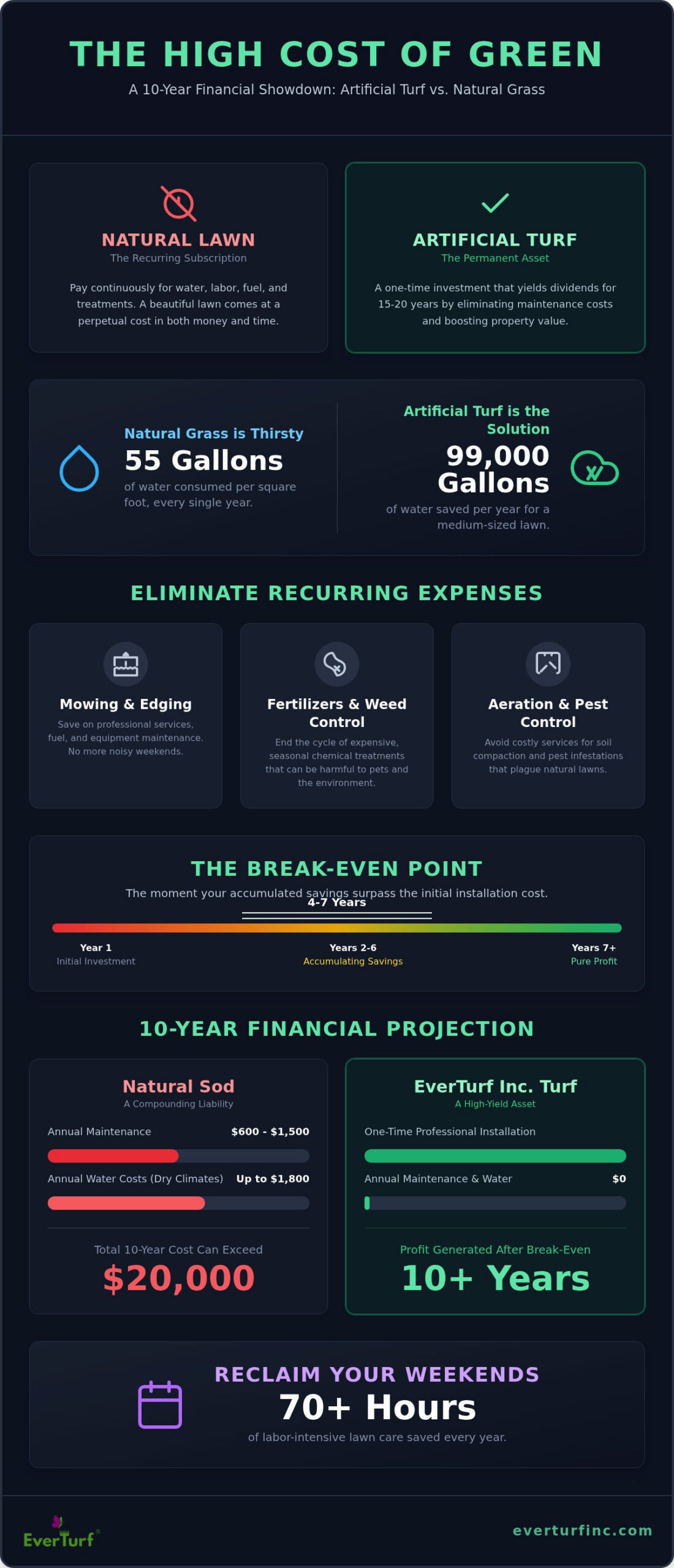
When you compare a natural lawn to a synthetic one, you’re essentially choosing between a recurring subscription and a permanent asset. A natural lawn represents a “subscription model” where you pay every month through water bills, fuel, and labor. In contrast, Artificial turf functions as an upfront investment that yields significant dividends over time. To truly understand how much money does artificial grass save, you have to look past the first day of installation and evaluate the long-term Net Present Value of your property.
The most critical metric for any homeowner is the “Break-Even Point.” This is the specific moment when your accumulated savings on utility bills and maintenance services finally surpass the initial cost of your project. For most residential properties, this window occurs between four and seven years. After you hit this milestone, every dollar you would have spent on a lawn service or a water surcharge stays in your pocket. It’s the transition from a high-maintenance burden to a worry-free environment that pays you back.
The Hidden Costs of the ‘Free’ Natural Lawn
Many homeowners view natural grass as “free” because it was already there when they moved in. However, these costs are often invisible and compounding. In 2026, the impact of inflation on landscaping labor and fuel has made traditional yard work more expensive than ever. A natural lawn requires a perpetual financial commitment. Annual maintenance for a 1,000-square-foot natural lawn often ranges between $600 and $1,500 when you factor in professional mowing and seasonal weed control. Over a decade, these costs can easily climb toward $20,000. When you add the rising price of water, which can cost up to $1,800 annually in dry climates, the financial drain is undeniable.
Initial Investment Breakdown
Evaluating the artificial turf installation cost requires looking at the value of professional craftsmanship versus simple materials. While premium EverTurf Artificial grass requires a larger initial outlay than basic sod, it prevents the “False Economy” of premature replacement. A professional installation ensures your landscape remains a high-performing asset for its entire 15 to 20-year lifespan. By choosing quality materials now, you ensure your break-even point leads to a decade or more of pure profit. This is how you maximize how much money does artificial grass save while enjoying the tranquility of a perfect, year-round outdoor space.
Direct Savings: Eliminating Monthly Maintenance Bills
The most immediate relief you’ll feel after making the switch isn’t just visual; it’s the sudden drop in your monthly overhead. When you analyze how much money does artificial grass save, the conversation often starts with the sheer volume of water required to keep natural sod alive. In many regions, outdoor irrigation accounts for 50% to 70% of a home’s total water consumption. By eliminating this demand, you aren’t just saving pennies. You’re fundamentally restructuring your utility budget and protecting yourself from the rising costs of a finite resource.
Beyond the water meter, you stop paying for the “Big Three” of lawn care: mowing, edging, and fertilizing. These recurring services act like a slow leak in your finances. Even if you handle the labor yourself, the costs of equipment depreciation, fuel, and specialized repairs for mowers and blowers add up quickly. High-quality synthetic solutions remove the need for aeration, overseeding, and pest control services that typically plague natural lawns every spring and fall. These secondary savings are often overlooked, but they represent a significant portion of your annual landscaping spend.
Water Conservation as a Financial Hedge
Water is becoming an increasingly expensive commodity in 2026. In arid climates, a medium-sized lawn can save 99,000 gallons of water per year, which translates to thousands of dollars in direct savings over the life of the product. Beyond the standard bill, you also insulate yourself against “drought-shaming” fines and mandatory water restrictions that can ruin a natural lawn overnight. EverTurf installations stay vibrant and green regardless of local weather patterns or municipal mandates, ensuring your property value remains protected without a single drop of irrigation.
The Chemical-Free Advantage
Maintaining the perfect emerald green of natural grass usually requires a chemical cocktail. Professional fertilization programs and the constant application of weed killers and pesticides represent a significant annual drain on your resources. Switching to a synthetic surface creates a “Green Dividend” by removing these toxic and expensive inputs from your life. You’ll save money while simultaneously protecting the local ecosystem from chemical runoff. If you’re ready to see how these savings apply to your specific space, you can explore our range of artificial grass installation options to find the perfect fit for your home.
The restoration of your budget is only half the story. By removing the need for mowers and blowers, you also eliminate the hidden costs of fuel and the inevitable replacement of gas-powered machinery every few years. This holistic approach to savings is what makes synthetic turf a sound financial decision. It’s a permanent solution that turns a high-maintenance burden into a worry-free environment.
Restoring Personal Time: The ROI of a Maintenance-Free Weekend
While utility bills provide a clear paper trail of expenses, the true return on investment for a synthetic lawn often lies in the restoration of your most finite resource: time. The average American homeowner spends more than 70 hours every year performing basic lawn care tasks like mowing, weeding, and edging. When you calculate how much money does artificial grass save, you must factor in the “hourly rate” of your own labor. If you value your personal time at even a modest professional rate, the annual “labor tax” of a natural lawn quickly reaches thousands of dollars in lost opportunity.
Transitioning to a high-performance backyard turf eliminates the burden of “Lawn Guilt” during your busiest seasons. You no longer have to choose between a Saturday morning with your family and a necessary mow before the next storm. This shift provides a profound emotional relief, moving you away from the frustrations of traditional maintenance toward the tranquility of a perfect, year-round outdoor space. It’s a lifestyle upgrade that pays dividends in peace of mind.
The Opportunity Cost of Lawn Care
Every hour spent behind a mower is an hour stolen from family time, professional development, or simple relaxation. Maintenance-free living has become the ultimate luxury in 2026. It allows you to trade the noise and dust of a lawnmower for a pristine view that requires zero effort to maintain. The mental health ROI of looking out at a lush, green environment without the looming thought of upcoming chores is difficult to quantify but impossible to ignore. It creates a more beautiful and stress-free version of your property that serves your lifestyle rather than demanding your service. For those looking to extend this high-quality, maintenance-free philosophy to their home’s structure, professional renovation and painting experts like NovoTech demonstrate how to create a truly tranquil and modern environment.
The financial benefits extend directly into the realm of real estate. A permanently green lawn significantly impacts home appraisal and resale speed by providing instant curb appeal that never fades, regardless of the season. In competitive markets, “Zero-Scaping” is a major selling point for modern buyers who prioritize low-maintenance lifestyles. For homeowners in arid climates, investing in drought tolerant landscape design Southern California ensures your property remains a high-value asset that appeals to eco-conscious buyers. Adding a specialized feature like EverTurf Putting Green Pro serves as a high-value property differentiator, often making your home the most memorable listing on the block. This isn’t just about saving money on water; it’s about building equity in a property that remains visually stunning every day of the year.
To truly understand how much money does artificial grass save, you have to look beyond the first season. A 10-year financial projection reveals a clear shift from an initial investment to a high-yield asset. We typically categorize the first three years as the “Investment Phase.” During this period, the monthly savings on water and landscaping services begin to chip away at the upfront cost. By years four through seven, most residential properties enter the “Break-Even Window.” This is the pivotal moment where the total amount you’ve saved on utility bills and labor fully covers the original installation price.
Once you pass the seven-year mark, your lawn enters the “Pure Profit Phase.” Because premium EverTurf Artificial grass is engineered for a 15 to 20-year lifespan, you can enjoy over a decade of zero-cost beauty. While a natural lawn continues to demand a “subscription” of fertilizers, fuel, and water, your synthetic lawn remains a fixed cost that has already paid for itself. The durability of our products ensures that the profit phase is extended, maximizing the total return on your property investment.
Compounding Savings Over Time
When calculating the 15-year total cost of ownership, it’s essential to factor in the impact of inflation. Landscaping labor and water rates don’t stay flat; a conservative 3% annual inflation rate on these services means the cost of maintaining a natural lawn grows more expensive every single year. A synthetic lawn acts as a hedge against these rising prices. While we recommend a small “Replacement Reserve” for an eventual refresh after two decades, the compounding savings from avoiding twenty years of price hikes make the financial choice clear. You’re locking in your landscaping costs at today’s rates for the next twenty years.
Commercial ROI: Turf for Business and Sports
For larger properties and commercial ventures, the financial incentives are even more dramatic. High-traffic areas, such as EverTurf Sports Fields, eliminate the massive irrigation and specialized maintenance staff overhead required for athletic-grade natural grass. Similarly, business owners managing pet-friendly spaces find that EverTurf Artificial grass for dogs reduces the need for constant sod replacement and professional cleaning services. These high-use environments see an even faster break-even point due to the intensity of traditional maintenance they would otherwise require.
If you’re ready to stop the monthly drain on your resources and start your own investment phase, you can request a professional quote to see how these projections apply to your specific property dimensions.
Strategic Selection: Maximizing ROI with EverTurf
Choosing the right material is the final, most critical step in determining how much money does artificial grass save over its lifetime. It’s easy to be tempted by discount options, but this is a classic false economy. Low-quality products often lack the UV stabilization and backing strength needed to survive the local climate for more than a few seasons. When a lawn fails prematurely, your break-even point vanishes and your investment turns into a replacement cost. By selecting premium EverTurf Artificial grass, you ensure the product lives out its full 15 to 20-year potential.
Beyond the grass itself, the accessories you choose act as insurance for your investment. Professional-grade turf infill is essential for protecting the turf’s backing from traffic and environmental stress. It keeps the blades standing upright and helps manage drainage. Similarly, using high-performance EverTurf Staples and Glue during installation prevents shifting and seam separation. These details might seem small, but they are the difference between a lawn that looks perfect for two decades and one that needs constant repairs.
Choosing the Right Turf for Your Specific ROI
Every property has unique traffic patterns. A family with large dogs needs a specialized solution like pet-friendly EverTurf Artificial grass to handle high-traffic wear and specific drainage requirements. For the golf enthusiast, installing an EverTurf Putting Green Pro offers a unique return on investment by providing a professional-grade practice surface that eliminates the need for expensive club memberships or travel to the range. Matching the pile height and density to your specific lifestyle ensures you don’t overspend on unnecessary specifications while still getting the durability you deserve.
Next Steps: Calculating Your Custom Quote
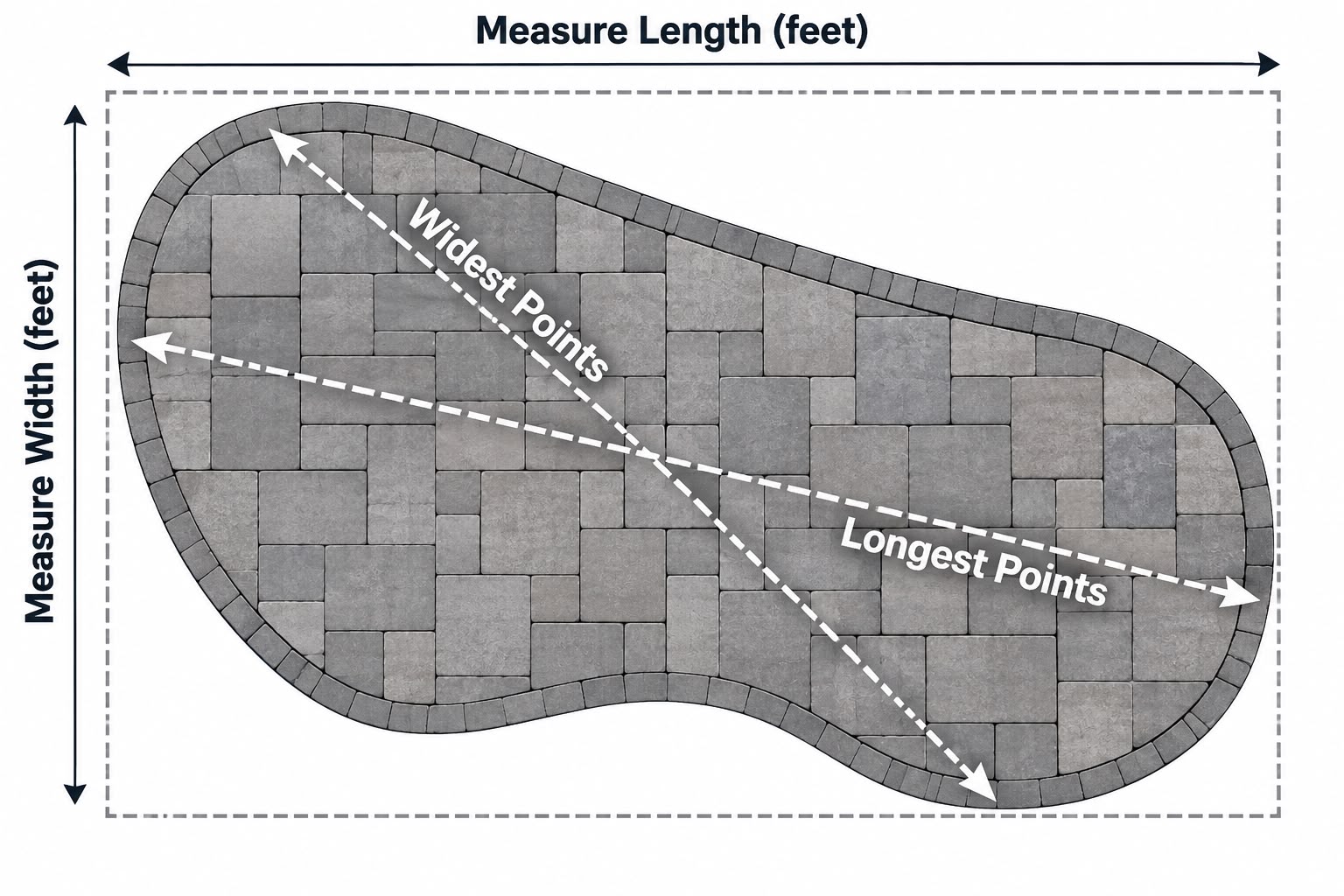
To accurately determine how much money does artificial grass save for your specific home, start by measuring the square footage of your current natural lawn. Consider the invisible costs we’ve discussed, such as your average monthly water bill and the annual price of landscaping labor. Consulting with an EverTurf professional for a site analysis can provide a more nuanced look at your property’s drainage and sunlight factors. This professional guidance ensures your transition to a maintenance-free lifestyle is both rewarding and financially sound.
Your journey from a high-maintenance burden to a worry-free outdoor oasis is just a consultation away. Our national distribution ensures that you receive consistent, professional-grade quality from coast to coast. Start your financial transformation with an EverTurf quote today and finally reclaim your weekends.
Secure Your Financial Future with a Worry-Free Landscape
The transition from a high-maintenance natural lawn to a sophisticated synthetic landscape is more than an aesthetic upgrade; it’s a strategic financial pivot. By moving away from the recurring “subscription model” of traditional landscaping, you reclaim both your budget and your weekends. We’ve analyzed the 10-year projections and the lifestyle benefits of maintenance-free living. Now, the final step is determining exactly how much money does artificial grass save on your specific property.
With our national supply and distribution expertise, EverTurf provides specialized solutions for pets, play, and sports that ensure your investment remains a high-performing asset for decades. You don’t have to settle for the frustrations of rising water rates and labor costs. Instead, you can choose the tranquility of a perfect, year-round outdoor space that enhances your lifestyle while protecting your bank account.
Take the first step toward a more beautiful and stress-free version of your home today. You deserve the long-term satisfaction that comes with a permanent, high-yield solution. Calculate Your Savings with an EverTurf Quote and begin your journey toward a worry-free environment.
Frequently Asked Questions
How many years does it take for artificial grass to pay for itself?
Most homeowners find that their investment pays for itself within four to seven years. This break-even point depends on your current water rates and the cost of professional landscaping services you currently utilize. After this window, the accumulated savings from eliminated maintenance bills and reduced utility costs transition into pure profit. You’re effectively locking in your landscaping overhead at today’s rates while determining how much money does artificial grass save for your future.
Does artificial turf increase the resale value of my home?
Synthetic turf enhances property value by providing year-round curb appeal and a sophisticated lifestyle that modern buyers find highly attractive. In competitive real estate markets, a maintenance-free lawn is often seen as a premium upgrade that removes the burden of future labor. It eliminates the buyer’s concern about future water restrictions or high monthly yard care fees. This instant visual appeal can also lead to faster resale speeds and higher appraisal values.
How much does the average household save on water after installing turf?
Outdoor watering typically accounts for 50% to 70% of a home’s total water bill, so the financial relief is substantial. A standard 1,000-square-foot natural lawn can consume 55,000 gallons of water annually. By switching to a synthetic solution, you eliminate this demand entirely. Over a ten-year period, this reduction protects your household budget from the compounding effects of rising utility rates and seasonal drought surcharges that often plague traditional homeowners.
Is there a difference in ROI between DIY and professional installation?
While DIY installation avoids initial labor costs, professional installation often yields a superior long-term return on investment. Experts ensure proper drainage and secure seaming with EverTurf Staples and Glue, which prevents premature failure of the system. A professional approach avoids the expensive repairs and early replacements that often plague amateur projects. Ensuring your base is perfectly graded is the key to maintaining your property’s value for its full 20-year lifespan.
What are the hidden maintenance costs of artificial grass?
The maintenance costs are minimal but necessary to protect your financial asset over the long term. You should budget for occasional rinsing to remove dust and the periodic addition of EverTurf Infill to keep the blades supported. These small tasks typically cost between $150 and $300 annually, which is a fraction of the $1,500 often spent on natural grass. This small investment ensures the turf remains resilient and maintains its sophisticated appearance.
Does pet-specific turf like EverTurf for dogs cost more to maintain?
Maintaining pet-specific turf is actually more cost-effective than managing a natural lawn with pets. Specialized solutions like EverTurf Artificial grass pets are designed with high-flow drainage to prevent odors and withstand heavy activity. You save money by eliminating the need to constantly replace dead patches of sod or treat your yard for mud and pests. A simple rinse and the use of antimicrobial infill are all that’s needed to keep the space fresh.
Can I get a tax credit or rebate for installing synthetic grass?
Many municipalities and water districts offer financial incentives to encourage water-wise landscaping across the country. These rebates can range from $1 to $4 per square foot, significantly accelerating your break-even point. While programs vary by location, these incentives are designed to offset the initial installation cost in regions facing water scarcity. We recommend checking with your local utility provider to see which current programs can help maximize your total financial return.
How does the lifespan of EverTurf products compare to cheaper alternatives?
High-performance EverTurf products are engineered to last 15 to 20 years, whereas entry-level alternatives often fail within five to seven years. Investing in quality materials prevents the “False Economy” of paying for a second installation before the first one has even paid for itself. Our national distribution ensures you receive a durable, UV-stabilized product that maintains its functional integrity. This longevity is the most critical factor in how much money does artificial grass save.