


How to Install Artificial Grass on Concrete Patio: A 2026 Design & DIY Guide
What if your grey, heat-radiating concrete patio could feel like a cooling, five-star resort underfoot? Learning how to install artificial grass on concrete patio surfaces is the ultimate way to replace an industrial, uninviting aesthetic with a lush sanctuary. You’ve likely felt the annoyance of standing water under outdoor rugs or pet odors that seem trapped in the hard surface. It’s time to move away from those maintenance headaches toward the tranquility of a perfect, year-round outdoor space.
This professional guide explains how to select and install high-performance systems designed for 2026 standards. We’ll show you how to transform that cold slab into a vibrant area that remains beautiful regardless of the season. You will learn to select the right EverTurf Roof & Deck products, implement advanced drainage that moves water at over 30 inches per hour, and use specialized EverTurf Infill to keep surfaces cool. From architectural design to the final securing of seams, this walkthrough ensures your DIY project results in a sophisticated, permanent solution that restores your personal time and enhances your home’s value.
Key Takeaways
- Discover how to transform neglected concrete slabs into high-end, evergreen living spaces that enhance your property’s value and daily tranquility.
- Master the technical process of how to install artificial grass on concrete patio surfaces by utilizing vertical drainage and the natural slope of your hardscape.
- Learn to integrate EverTurf Pavers with synthetic turf to create sophisticated architectural patterns like the popular 2026 checkerboard design.
- Identify the ideal pile height and heat-resistant polymers to ensure your new surface remains comfortable for bare feet even in direct sunlight.
- Understand why specialized EverTurf Roof & Deck systems and professional-grade EverTurf Staples and Glue are essential for a permanent, secure installation.
Why Fake Grass for Patios is the Ultimate 2026 Lifestyle Upgrade
Imagine stepping out onto a soft, emerald carpet instead of a scorching, grey concrete slab. Many homeowners view their patios as “dead” zones, usable only when the weather is perfect and the surface is freshly scrubbed. By learning how to install artificial grass on concrete patio areas, you reclaim every square inch of your property. This transformation creates a seamless transition from your interior design to the outdoors, making your home feel larger and more cohesive. Unlike traditional outdoor rugs that trap moisture, grow mold, and fray within two seasons, professional-grade synthetic turf offers a lifespan of 15 years or more. It’s a permanent home improvement that adds immediate value and aesthetic comfort.
The evolution of Artificial turf has moved far beyond the thin, plastic mats found in big-box retail stores. Today’s high-performance systems provide a sophisticated solution for modern lifestyle needs. EverTurf Artificial grass eliminates the tedious, back-breaking cycles of power washing and staining that raw concrete demands. You effectively trade your weekend chores for a tranquil, evergreen retreat that requires nothing more than an occasional rinse.
From Concrete Jungle to Private Sanctuary
Modern architecture often relies on sharp lines and cold, hard materials. Integrating synthetic greenery softens these architectural edges, creating a visual balance that promotes immediate relaxation. It’s not just about aesthetics; the psychological impact of year-round greenery in urban environments is profound. It offers a sense of renewal even during the greyest winter months. These surfaces also provide a cushioned, safe play area for families. They turn a potential fall on hard concrete into a gentle landing on soft, resilient fibers.
The Practicality of Modern Synthetic Surfaces
Performance is where high-quality turf truly distinguishes itself. These surfaces handle extreme environmental stressors with ease, from heavy snow loads to intense UV rays that would bleach natural materials or degrade cheap rugs. For those with pets, balconies and small patios often become high-maintenance problem areas. Synthetic turf solves this by providing a permeable surface that is incredibly easy to sanitize. If you are designing specifically for a four-legged friend, check out The Complete Guide to Artificial Grass for Dogs to ensure a pristine sanctuary. Mastering how to install artificial grass on concrete patio surfaces ensures that pet relief and drainage are handled with technical precision, keeping your outdoor living space smelling fresh and looking flawless for years to come.
Solving the Drainage Dilemma: How to Install Artificial Grass on Concrete Patio
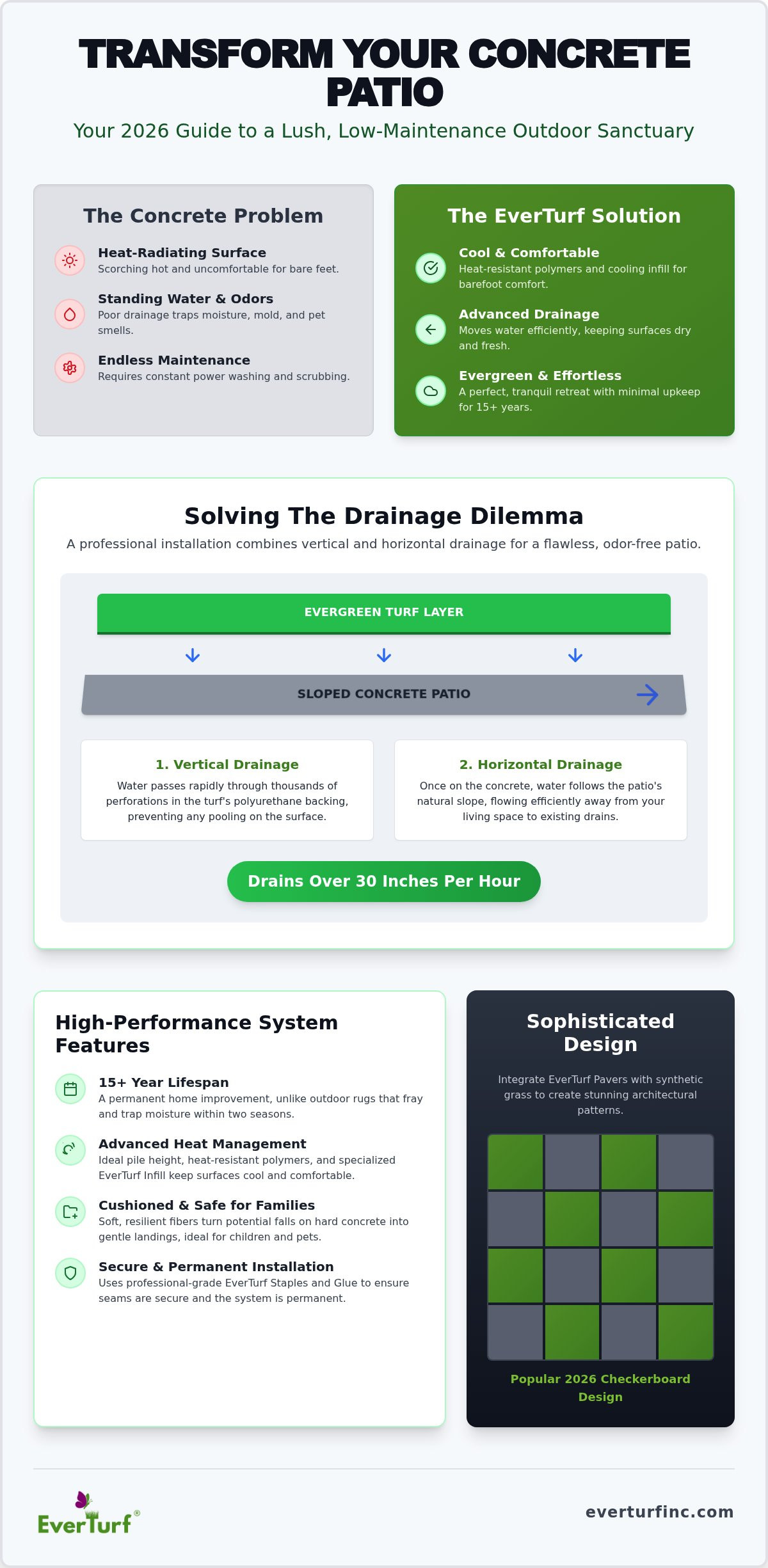
Water management is the most critical factor when learning how to install artificial grass on concrete patio surfaces. While concrete is non-porous, a professional installation ensures that heavy rainfall doesn’t lead to pooling or stagnant odors. The secret lies in a dual-drainage approach that combines the perforated backing of the turf with the existing slope of your patio. By working with the natural pitch of the slab, you ensure that moisture moves away from your living space efficiently, maintaining a dry and inviting environment year-round.
Understanding Vertical vs. Horizontal Drainage
Vertical drainage refers to the water’s ability to pass through the polyurethane backing of the turf. High-performance systems are engineered with thousands of tiny perforations that facilitate rapid transit to the concrete below. Once the water hits the hard surface, horizontal drainage takes over. This is where your patio’s natural pitch becomes essential. If your concrete is properly graded, water will flow along the surface toward your drainage points just as it did before the turf was installed. Managing the technical details of how to install artificial grass on concrete patio surfaces ensures that your investment stands the test of time and remains odor-free.
The safety and composition of these materials are well-documented by environmental authorities. For those interested in the technical safety standards of synthetic systems, the Tire Crumb Exposure Characterization Report by the EPA provides an extensive look at material safety in modern turf applications. To ensure your system functions perfectly, you can explore our range of EverTurf Artificial turf products designed specifically for high-drainage environments.
The Step-by-Step Installation Process
Achieving a professional finish requires a disciplined approach to the physical setup. Follow these four steps for a flawless result:
- Step 1: Deep clean the concrete. Remove all oils, dirt, and debris. Repair major cracks or dips with a concrete filler to prevent low spots where water might sit.
- Step 2: Acclimate the turf. Lay your EverTurf Artificial grass over the patio and allow it to sit for 2 to 4 hours. This allows the fibers to relax and the backing to expand or contract according to the local temperature.
- Step 3: Secure the system. Use EverTurf Staples and Glue to anchor the perimeter and seams. This prevents shifting and ensures the edges stay flush against the concrete surface.
- Step 4: Apply infill. Spread EverTurf Infill evenly across the surface. This adds necessary weight and keeps the grass blades upright for a natural look.
The Role of EverTurf Infill
Proprietary EverTurf Infill is more than just a weight; it’s a vital component of the drainage system. It prevents the fibers from matting down, which can block the drainage pores over time. For more technical details on why this step is non-negotiable, see The Essential Guide to Turf Infill. Regular maintenance is simple: keep the surface clear of organic debris like leaves or dirt to ensure those drainage pores remain open and efficient.
Design Inspiration: Combining EverTurf Pavers with Synthetic Grass
Elevate your outdoor space from a functional utility to a high-end resort by integrating mixed media into your layout. While the technical aspects of how to install artificial grass on concrete patio surfaces are vital for longevity, the design phase is where you define the character of your home. A popular 2026 trend involves the “checkerboard” aesthetic, where you alternate EverTurf Pavers with precise inserts of lush greenery. This creates a sophisticated, geometric pattern that adds architectural structure to otherwise flat, monotonous concrete slabs. By breaking up the visual weight of the stone with soft textures, you create an environment that feels both curated and organic.
Beyond the grid, consider using texture to zone your patio into distinct living “rooms.” You can define a dining area with a solid expanse of EverTurf Artificial grass while using stone pathways to lead toward a lounging zone. This spatial organization makes even small patios feel intentional and expansive. For more creative ways to plan your layout, explore our Backyard Turf pillar, which offers a deep dive into maintenance-free design strategies.
The Modern Paver and Turf Grid
Achieving a seamless transition between hardscape and “softscape” requires precision. When you learn how to install artificial grass on concrete patio grids, the secret is in the cutting. You’ll want to use a sharp utility blade to trim the turf exactly 1/4 inch larger than the opening between your EverTurf Pavers. This slight overage allows the fibers to “tuft” over the edge of the stone, hiding the backing and creating a professional, plush finish. This technique eliminates the industrial look of raw concrete and replaces it with a high-luxury, tactile surface that invites you to walk barefoot.
Balcony and Rooftop Verticality
In compact urban environments, greenery shouldn’t be limited to the floor. You can create a “sky-lawn” effect by installing turf edge-to-edge on balconies, which visually expands the space by drawing the eye toward the horizon. Greenery reflects light differently than grey concrete, making narrow spaces feel significantly brighter and more open. To maximize the life of your installation, consider these design choices:
- Vertical Elements: Complement your floor with vertical turf accents or green walls to surround yourself with nature.
- Furniture Selection: Choose low-profile furniture with broad-based legs. This distributes weight evenly and protects the synthetic fibers from matting.
- Color Palette: Pair the vibrant green of EverTurf Artificial grass with neutral stone or wood tones for a timeless, sophisticated look.
By thoughtfully combining these elements, you transform a simple patio into a permanent sanctuary that restores your personal time and provides a stress-free backdrop for modern living.
Choosing Your Surface: Pile Height, Texture, and Heat Management
Selecting the ideal turf for your patio requires a balance of tactile comfort and technical performance. While previous sections focused on the structural logic of how to install artificial grass on concrete patio systems, the material choice determines how you’ll actually experience the space. Patios are often enclosed by walls or glass, creating a microclimate that traps warmth. Choosing a professional-grade surface with heat-reflective fibers ensures your sanctuary remains a place of relief rather than a thermal trap.
Visual authenticity comes from multi-tonal thatch. High-quality EverTurf Artificial grass uses a mix of field green, lime, and tan fibers to mimic the natural lifecycle of a lawn. Cheap retail alternatives often use a single, flat shade of green that looks like plastic carpet when laid over a hard slab. The hand-feel is equally important; you want fibers that are soft enough for bare feet but resilient enough to bounce back after a weekend of entertaining. Explore high-performance EverTurf Artificial grass options to find the perfect match for your home’s aesthetic.
The Patio Pile Height Comparison
The height of your grass blades significantly impacts both the look and the utility of your patio. For areas where you plan to place heavy dining sets or lounge chairs, a short pile height of less than one inch provides the best stability. It’s easier to clean and won’t mat down as quickly under furniture legs. A medium pile height, ranging from 1 to 1.5 inches, is the “sweet spot” for most homeowners. It offers a lush, inviting appearance while remaining manageable. Long pile heights over 1.5 inches deliver aspirational beauty and a deep, soft feel, but they require more frequent brushing to keep the fibers standing tall on a hard concrete base.
Managing Temperature on Sunny Patios
Concrete patios often suffer from the “heat island” effect, where the stone absorbs and radiates solar energy long after the sun goes down. Modern cooling technologies in 2026 incorporate heat-reflective fibers that can reduce surface temperatures by 30 to 50 degrees compared to traditional retail products. This innovation is critical for maintaining comfort during peak summer months. EverTurf technology specifically addresses this by utilizing polymers that don’t retain thermal energy as aggressively as standard plastics.
Your choice of infill also plays a vital role in temperature regulation. Proprietary EverTurf Infill helps dissipate heat and provides a cooling effect through moisture retention and airflow. If you face a record-breaking heatwave, a quick 30-second rinse with a garden hose will significantly drop the temperature of your EverTurf Artificial grass through evaporative cooling. This simple step ensures your patio remains a usable, comfortable extension of your home even on the brightest days.
Elevating Your Space with EverTurf Roof & Deck Solutions
Standard synthetic grass is often designed for soil bases, but your patio requires a different engineering philosophy. Mastering how to install artificial grass on concrete patio layouts requires more than just a roll of green plastic; it demands a system that respects the physics of hard surfaces. The EverTurf Roof & Deck line is specifically crafted to solve the unique challenges of concrete installations. From managing heat retention to ensuring that moisture never becomes trapped against your home’s foundation, this specialized system turns a high-maintenance slab into a worry-free extension of your living room.
Choosing professional adhesives is the final step in securing your investment. Unlike retail mats that shift or curl at the edges, our EverTurf Staples and Glue provide the structural integrity required to anchor your sanctuary permanently. This secure bond ensures that your transition from indoor comfort to outdoor beauty is seamless and trip-free. Beyond the immediate aesthetic boost, a quality installation offers a significant long-term ROI. You aren’t just buying a product; you’re reclaiming your weekends and increasing the functional square footage of your property.
The Professional EverTurf Advantage
The EverTurf Roof & Deck system stands apart through superior UV stabilization. While cheaper alternatives may fade or become brittle after a few seasons of intense exposure, our fibers are engineered to stay vibrant for a decade or more. The technical specs are equally impressive. These systems feature drainage rates that exceed 30 inches per hour, far outperforming big-box store alternatives. This ensures that even after a heavy downpour, your patio is dry and ready for use in minutes. Whether you’re a hands-on DIY enthusiast or working with a professional contractor, we provide the consultative support needed to ensure your vision becomes a reality.
Getting Started with Your Transformation
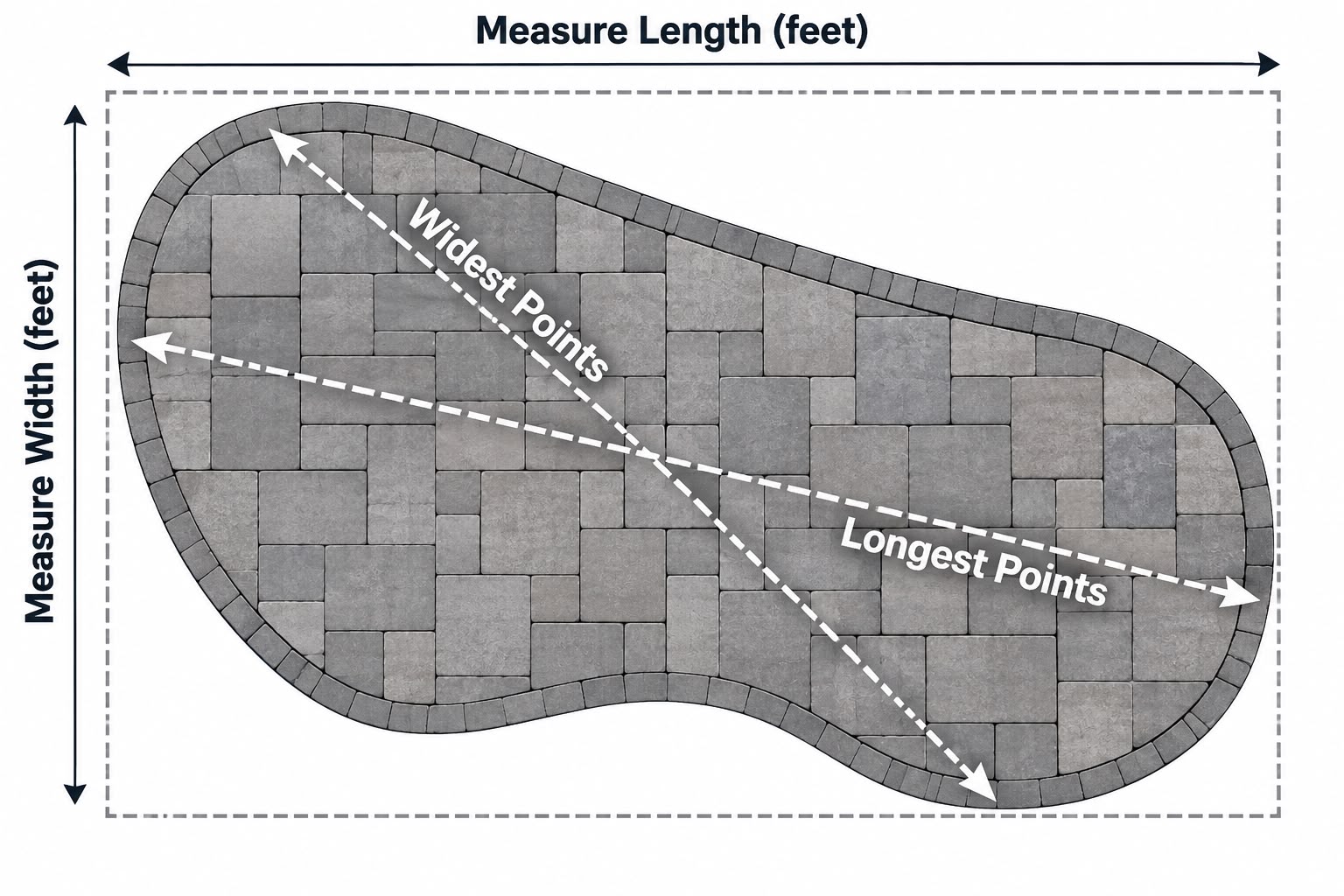
The path to a stress-free outdoor space begins with precision. When calculating your square footage, always include an additional 10% for waste and custom cuts. This buffer is essential for navigating corners and ensuring that your seams align perfectly with the grain of the turf. Before you finalize your plans, consult the 2026 Price Guide to help structure your budget effectively. We also recommend ordering samples to ensure the texture and color tone perfectly complement your existing hardscape. Taking these final steps ensures that your journey from a cold concrete patio to a lush, evergreen sanctuary is as rewarding as the result itself.
Reclaim Your Sanctuary with a Permanent Greenery Solution
Transforming a rigid, industrial slab into a vibrant living space is more than just a weekend project; it’s a lifestyle investment that restores your personal time and peace of mind. By mastering how to install artificial grass on concrete patio surfaces using specialized EverTurf Roof & Deck technology, you eliminate the frustrations of radiating heat and stagnant water. A successful transformation relies on integrated drainage and the technical precision of proprietary infills to ensure a high-performance result that lasts for decades.
Whether you choose a lush, medium pile for tactile comfort or an architectural checkerboard design with EverTurf Pavers, the result is a sophisticated, year-round environment. As a national leader in high-performance turf, we provide the expert support and professional-grade materials needed for both DIY and professional installations. Our systems are engineered to handle the unique physics of hard surfaces while maintaining a hyper-realistic aesthetic that rivals natural sod.
Transform your patio with EverTurf Artificial grass today and experience the long-term satisfaction of a maintenance-free outdoor oasis. Your perfect, stress-free property is just one installation away.
Frequently Asked Questions
Can you put fake grass on a concrete patio without glue?
Yes, you can use heavy furniture or perimeter weights to hold the turf down, but it’s not the best solution for long-term stability. For a professional finish that won’t shift or curl, using EverTurf Staples and Glue is highly recommended. Loose-lay installations often lead to tripping hazards and visible seams over time. Securing the system properly ensures your sanctuary remains pristine and safe during high-traffic gatherings or windy weather.
Will artificial turf on a wooden deck cause rot?
Not if you select a high-drainage system like EverTurf Roof & Deck. These specialized products allow water to pass through the backing vertically and move along the deck’s surface toward existing drainage points. Without this capability, moisture can get trapped between the turf and the wood, which eventually leads to mold or rot. Ensuring adequate airflow and using a permeable system protects your structural investment while providing a lush, evergreen aesthetic.
How do you clean dog urine off artificial grass on a patio?
Rinse the area immediately with water and use an enzyme-based cleaner specifically designed for synthetic surfaces. Since concrete is non-porous, urine can settle in the slab’s pores if it isn’t flushed away properly. Learning how to install artificial grass on concrete patio layouts with a specialized drainage layer helps move liquid away quickly. Regular maintenance ensures your outdoor space remains fresh and free of odors, especially in confined urban environments.
Does artificial grass get too hot for bare feet on a balcony?
Modern synthetic fibers incorporate heat-reflective technology to stay significantly cooler than older, retail-grade products. In 2026, high-performance polymers can reduce surface temperatures by 30 to 50 degrees compared to standard turf mats. Using EverTurf Infill also helps regulate heat through improved airflow. If the surface feels warm on a record-breaking summer day, a quick 30-second mist with a garden hose provides immediate evaporative cooling for comfortable barefoot use on your balcony.
How long does fake grass last on a high-traffic patio?
High-quality, professionally installed synthetic turf typically has a lifespan of 15 years or more. Even on a high-traffic patio, EverTurf Artificial grass is engineered to resist matting and UV degradation. The longevity of your installation depends on selecting the right pile height and using proper infill to support the fibers. Choosing a shorter, denser pile for dining and lounging areas ensures the surface retains its lush appearance despite frequent movement and heavy furniture.
Do I need infill for a small patio turf installation?
Yes, infill is a vital component for every installation, even in small spaces. EverTurf Infill provides the necessary weight to keep the system from shifting and protects the backing from UV exposure. It also holds the individual grass blades upright, preventing a flat or matted look. Without infill, the turf can develop wrinkles and lose its realistic texture over time. This simple step is essential for protecting your long-term ROI and property comfort.
Can I install EverTurf Artificial grass myself on a balcony?
Absolutely, many homeowners successfully complete this transformation as a rewarding DIY project. The process for how to install artificial grass on concrete patio or balcony surfaces is straightforward when you use the right materials. You’ll need to measure precisely, allow the turf to acclimate to the local temperature, and secure the perimeter with EverTurf Staples and Glue. We provide the consultative support needed to ensure your sky-lawn looks professional and drains perfectly.
What happens to artificial grass when it rains heavily?
It drains just as efficiently as your original concrete surface, provided the installation follows the natural slope of the slab. EverTurf Roof & Deck systems are engineered to drain water at rates exceeding 30 inches per hour. The perforated backing allows rain to pass through vertically, where it then flows toward your existing drainage points. This prevents pooling and ensures your outdoor space is dry and ready for use shortly after the rain stops.