
Best Turf for Realistic Golf Ball Roll: A 2026 Buyer’s Guide
The fastest turf isn’t automatically the best turf for realistic golf ball roll. A surface that sends a putt flying may not suit the pace or feel you want to practice. The turf is only one part of the result: infill, the prepared base, layout, and installation all contribute to the finished surface.
If product descriptions full of terms like fiber type, pile height, and infill leave you unsure what you’ll actually feel under a putter, you’re not alone. The right choice depends on how you practice and the ball speed you prefer. This guide explains how turf characteristics affect roll and putting feel, then shows how infill and installation contribute to the finished green. Use the practical comparisons to define your priorities and choose an approach that fits your project.
Key Takeaways
- The best turf for realistic golf ball roll depends on your practice goals, not a single product label or specification.
- A Stimp reading describes green speed in a test, while turf characteristics, infill, and installation also contribute to the playing surface.
- Compare putting-green options using consistent criteria, including intended use, construction, infill, and project requirements.
- Plan your green around the putts you want to practice, and consider how the layout fits the space.
- Explore EverTurf Putting Green Pro alongside EverTurf’s product-selection guidance and project consultation.
What Makes Turf Deliver a Realistic Golf Ball Roll?
What does realistic golf ball roll mean on synthetic turf?
Realistic roll isn’t a universal speed or a promise that a backyard green will play exactly like a natural course. It means the ball behaves predictably enough for the practice you want to do. A golfer working on short putts may value a dependable pace, while someone practicing longer putts may focus more on distance control across a larger area.
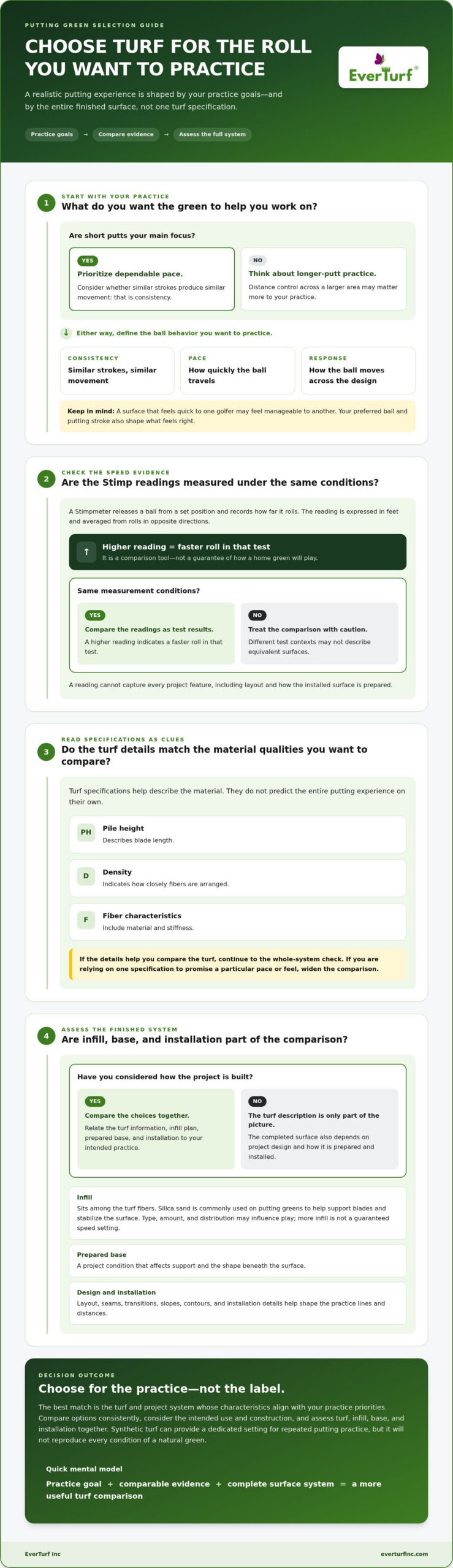
Consider three qualities as you evaluate a surface: consistency, whether similar strokes produce similar movement; pace, how quickly the ball travels; and response, how it moves across the designed surface. Your preferred ball and putting stroke also shape what feels right. A surface that seems quick to one golfer may feel manageable to another, so define your practice goals before treating “realistic” as a product specification.
Product descriptions can offer useful details, but no single label guarantees a particular putting experience. Fiber type, blade height, and density describe aspects of the turf, but they don’t explain the complete surface the ball will meet. For background on the material and its components, including infill, see this overview of Artificial Turf.
Why does the finished putting surface matter as much as turf?
Putting turf is one part of a finished system. Infill supports the turf and can affect how it plays. The base beneath it and the installation influence the surface the ball rolls over. Seams, transitions, slopes, and contours are project-specific design details that shape the lines and distances available for practice.
That’s why a turf description alone can’t tell you how a completed green will feel. For example, on a green with a gentle contour, the turf is the playing material, while the contour and prepared base establish the shape of the practice area. The result depends on how these elements are selected and brought together, not on one specification in isolation.
Ball roll is a system outcome: assess the turf, infill, base, and installation together against the practice you want to do.
Synthetic turf can provide a dedicated setting for repeated putting practice, but it won’t reproduce every condition of a natural green. Weather, grass, maintenance, and course design can all differ. Set a practical target: choose a surface and project design that support the putts you want to practice, then compare options on those terms. That makes “realistic” a useful decision-making standard rather than an unmeasurable promise.
How Turf, Infill, and Installation Shape Ball Roll
A product sheet can describe the turf, but the ball rolls across the completed putting surface. To compare options thoughtfully, read specifications as clues about the material, then consider how infill, the prepared base, and installation contribute to the finished project. None of those details alone guarantees a particular pace or feel.
How should buyers interpret Stimp readings and turf specifications?
A Stimpmeter measures green speed by releasing a ball from a set position and recording how far it rolls. The reading, expressed in feet, is averaged from rolls in opposite directions. A higher reading indicates a faster roll in that test. It’s a comparison tool, not a promise that a home green will play at that speed in every setting.
For a useful comparison, look for readings taken under the same measurement conditions. When comparing results, account for the test context rather than assuming every reading describes an equivalent surface. A reading also can’t capture every feature of your project, such as its layout or the way the installed surface is prepared.
Use turf specifications to understand the material, not to predict the whole experience. Pile height describes blade length, density indicates how closely fibers are arranged, and fiber characteristics include material and stiffness. These details can help you compare turf construction and consider how a surface may respond. Compare like with like, and weigh those specifications alongside infill and installation. The best turf for realistic golf ball roll is the option whose characteristics align with your practice priorities, not simply the one with the most impressive-sounding specification.
How do infill and base preparation affect the finished surface?
Infill sits among the turf fibers. Silica sand is commonly used on putting greens to help support the blades and stabilize the surface. Its type, amount, and distribution are part of the system and may influence how the finished green plays. More infill shouldn’t be treated as a guaranteed speed setting: the resulting surface depends on the turf and project as a whole. A dedicated turf infill guide can help clarify this component as you compare options.
Base preparation isn’t a turf specification. It’s a project condition that affects the support and shape beneath the surface. The chosen layout, contours, and installation details all matter; the same turf can be part of different finished designs. Keep a product’s stated attributes separate from outcomes that depend on how the project is planned and built.
As you assess a putting-green project, connect each decision to the practice you want: compare the turf information, understand the infill plan, and consider how the base and installation fit the design. EverTurf offers putting-green selection guidance to help buyers relate those project choices to their goals.
How to Compare Turf for the Ball Roll You Want
A useful comparison separates what the turf is made of from how the finished green will be designed and installed. Start by writing down your main use, then compare each option against the same criteria. This makes it easier to weigh the turf itself alongside the project choices that influence the finished surface.
Which criteria belong in a putting-green turf comparison?
Keep turf details, project requirements, and support in separate rows. That makes it easier to compare products and see how each choice fits your intended use.
| Criterion | What to compare |
|---|---|
| Intended use | Dedicated putting practice, short-game repetition, or casual family putting. |
| Fiber and construction | Fiber material or characteristics, pile height, and density. |
| Stimp reading | Any reported reading and its measurement context. Compare only readings taken under equivalent conditions. |
| Infill | Type and project plan, separate from turf specifications. |
| Installation | Base preparation and design factors that affect the completed surface. |
| Care and support | Maintenance guidance, product-selection help, and project support. |
Use the same checklist for every option. Compare equivalent details, such as fiber and pile information, and consider claims about roll alongside the infill and installation plan. A stated product attribute is one factor in the decision, not a guarantee of the finished result.
How should you match turf to your practice priorities?
Rank your priorities before comparing products. A golfer focused on repeatable short-game practice may put consistency and a dedicated green first. A household that wants occasional putting alongside other uses may value versatility and the overall layout more heavily. Neither goal is automatically better; the right shortlist reflects how the space will be used.
Give your top priority the most weight, then list the details that support it. For example, if you expect frequent putting practice, compare construction details and any Stimp test context, then assess infill and installation separately. If casual use comes first, consider how the green fits the broader project and who will use it. The best turf for realistic golf ball roll is the one that makes sense for your intended practice and the complete project, not the one that wins on a single row.
Before settling on an option, turn your priorities into a project brief: describe the practice you want, the intended users, and any layout considerations. EverTurf’s broader putting-green guide can help frame those planning decisions, while EverTurf’s selection guidance and project consultation can connect your priorities with a putting-green turf choice.
Plan a Putting Green That Supports Consistent Practice
A clear project brief helps connect turf selection to the way you’ll actually use the green. It also keeps product choice distinct from layout, base preparation, and installation. Work through these steps before settling on a surface:
- Define your practice goals. Note whether you’ll focus on short putts, distance control, or a mix of practice. Include who will use the green and how often you expect to play on it.
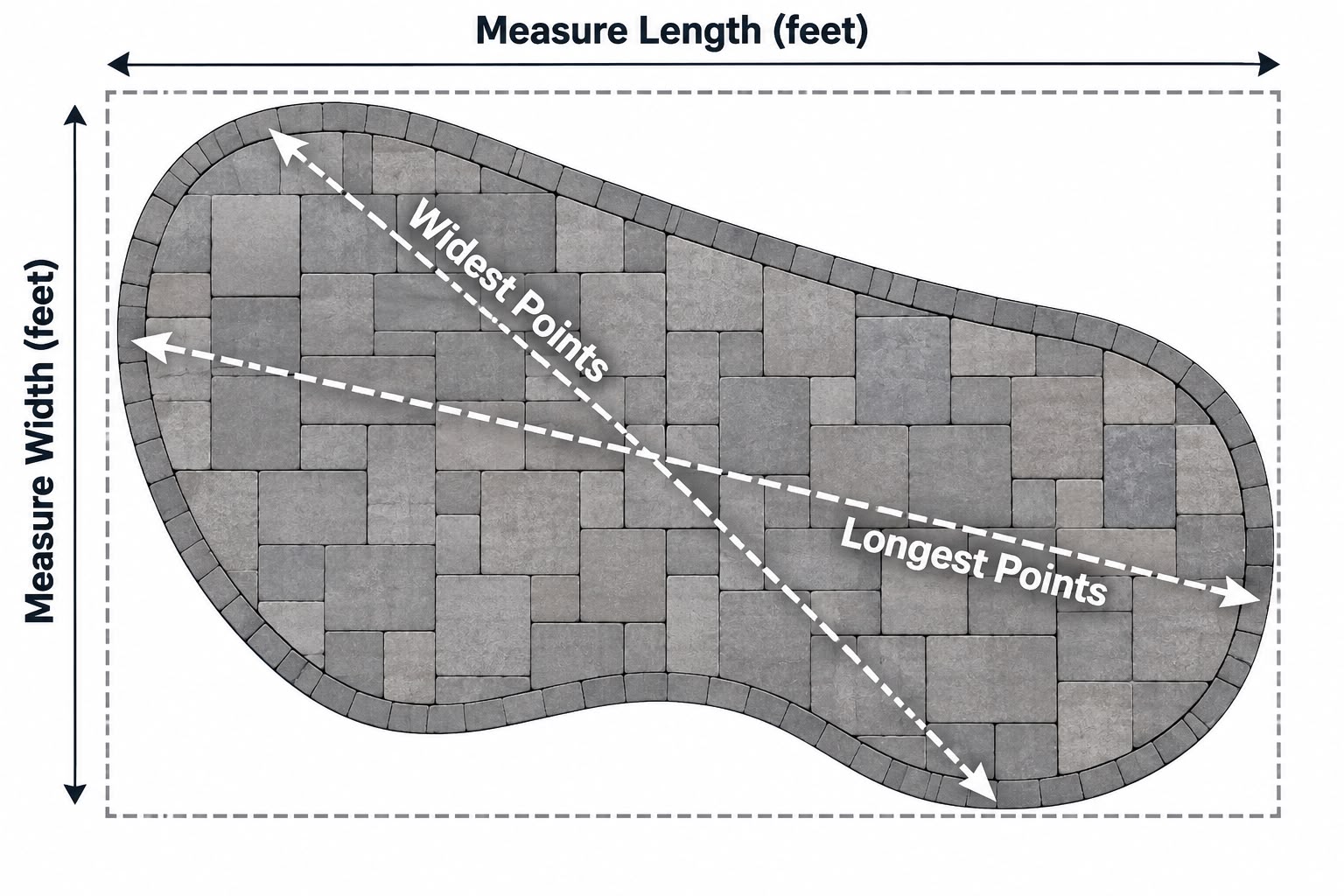
- Record the available area. Measure the project space at its longest and widest points. Include nearby features or boundaries that could shape the layout. During installation, excess turf is trimmed to fit the project area.
- Sketch your preferred layout. Mark the putting area, intended direction of play, and any contours you’d like to include. Treat slopes and breaks as design choices that define the practice challenges, not as promises of a particular ball-roll outcome.
- Note site considerations. Record what you know about the existing area, including drainage concerns and the condition of the ground. These are project-planning factors that can inform base preparation and installation, rather than specifications of the turf itself.
- List product and installation questions. Capture the turf details you want to compare, along with questions about infill, the base, installation support, and the overall project. This makes it easier to evaluate options as a complete putting-green system.
What should go into a putting-green project brief?
Keep the brief practical: intended users, practice goals, measurements, preferred layout, site considerations, and questions about turf and installation. For example, if you want to work on both short putts and longer distance control, note that before choosing a layout. EverTurf offers product-selection guidance and project consultation to help relate your practice priorities to a putting-green turf choice.
How do layout and preparation support a dependable practice surface?
Layout determines where you’ll putt and which lines or contours the design may include. Base preparation addresses the area beneath the turf, while installation brings the selected materials and project design together. Drainage belongs in this planning conversation too, since site conditions can affect how the project is approached. These factors are related, but they aren’t interchangeable, and none alone guarantees a specific roll.
Use your measurements and notes to start a project conversation, rather than assuming a finished result from a product description. The artificial-grass installation process provides broader context for how installation fits into the project. With your practice goals and site information in hand, request an EverTurf project consultation to discuss turf selection and project requirements.
Explore EverTurf Putting Green Pro for Your Project
You’ve compared turf details and considered how infill, design, and installation relate to your practice goals. The next step is to look at a putting-green option in the context of your specific project. EverTurf Putting Green Pro is one option to explore as you plan a dedicated practice area. Its suitability for your goals depends on the project requirements and choices that shape the finished green, so use your comparison criteria as a starting point for a tailored conversation.
A product name alone can’t tell you what your completed surface will feel like. Bring forward the priorities you’ve identified, such as the type of putting practice you want to do, intended users, and preferred layout. This helps keep the conversation focused on how a turf choice fits the project, rather than treating one specification as the whole answer. EverTurf is trusted by 500+ customers.
What support can help you move from turf research to a project?
EverTurf provides product-selection guidance and project consultation to help you consider putting-green turf in relation to your plans. Discuss your practice priorities alongside project details, then explore how the product, infill, and installation approach fit together. EverTurf also offers professional installation and DIY installation support, helping you move from research to a real project without promising a particular playing result.
Useful details to bring include the area you’re planning for, the intended users, and the practice goals you’ve ranked highest. If you’re still weighing dedicated practice against a more versatile space, include that in your project brief. This context helps keep the discussion relevant to your intended use.
How can you request a quote for a putting-green project?
Share the essentials through EverTurf’s quote process: the project area, your preferred use, and any layout or installation questions you’ve gathered. You don’t need to have every decision settled before starting. A project-specific quote and consultation can help you move from a broad comparison to a clearer view of the choices involved. EverTurf responds to quote requests within 24 hours.
If you’re ready to explore EverTurf Putting Green Pro for your plans, request a free quote and project consultation. It’s a straightforward next step for discussing your goals, reviewing project requirements, and choosing a putting-green approach with greater confidence.
Make Your Practice Space Your Own
The right putting green starts with a clear picture of how you want to practice. Think about the putts you want to repeat, the space you have, and the kind of layout that will invite you outside. Those priorities can guide your final turf choice without relying on a single specification to predict the feel of the finished surface.
Finding the best turf for realistic golf ball roll is less about chasing a universal standard and more about shaping a practice area around your game. Turn your preferences into a project plan, then use a conversation with EverTurf to explore how putting-green turf can fit that vision.
Start planning your EverTurf putting-green project with a free project quote. Share your practice goals and project requirements to take the next step toward a dedicated space you’ll be glad to return to.
Frequently Asked Questions
Is artificial putting-green turf realistic enough for serious practice?
Yes, it can support focused practice, especially when you want a consistent place to work on your putting stroke and distance control. The best turf for realistic golf ball roll is the surface that fits your training priorities, not necessarily one that copies every condition of a natural course. For example, use the green to repeat the same type of putt and build familiarity, while recognizing that course conditions will vary.
Can putting-green turf provide the same ball roll in every installation?
No. A turf product doesn’t create an identical playing surface in every project. The design, infill, prepared base, and installation all contribute to the finished green, so two projects using the same turf may play differently. For example, a flat practice layout and one designed with contours present different putting challenges. Consider the planned surface as a whole rather than expecting a product name to determine the result.
How does a Stimp reading help when comparing putting-green turf?
A Stimp reading gives you a way to describe how far a ball rolls in a standardized speed test, so it can help distinguish faster and slower test results. Use it as one comparison point, not a complete forecast of how a home green will play. When reviewing two readings, check whether they were measured under the same conditions; otherwise, the comparison may not be meaningful.
Does putting-green turf need infill?
Putting-green turf commonly uses infill to help support the turf fibers and stabilize the playing surface. Silica sand is a typical infill material for putting greens, but the appropriate choice and amount depend on the turf system and project. Treat infill as part of the surface plan, not an afterthought. Consider how the selected turf and infill are intended to work together.
How do you measure an area for a putting green?
For a rectangular area, measure the longest length and widest width, then multiply length by width to estimate square footage. If the shape is irregular, divide it into simpler rectangles, measure each section, and add the areas together. Share the measurements when planning the project. During installation, excess turf is trimmed to fit the area, so measurements help describe the space rather than determine an exact final cut.
How quickly will EverTurf respond to a quote request?
EverTurf responds to quote requests within 24 hours. Include useful project context in your request, such as the approximate area, who will use the green, and the kind of putting practice you have in mind. You can also mention layout ideas or questions about turf selection. Those details give the team a clearer starting point for discussing your putting-green project.