EverTurf®️

Geometric Shapes

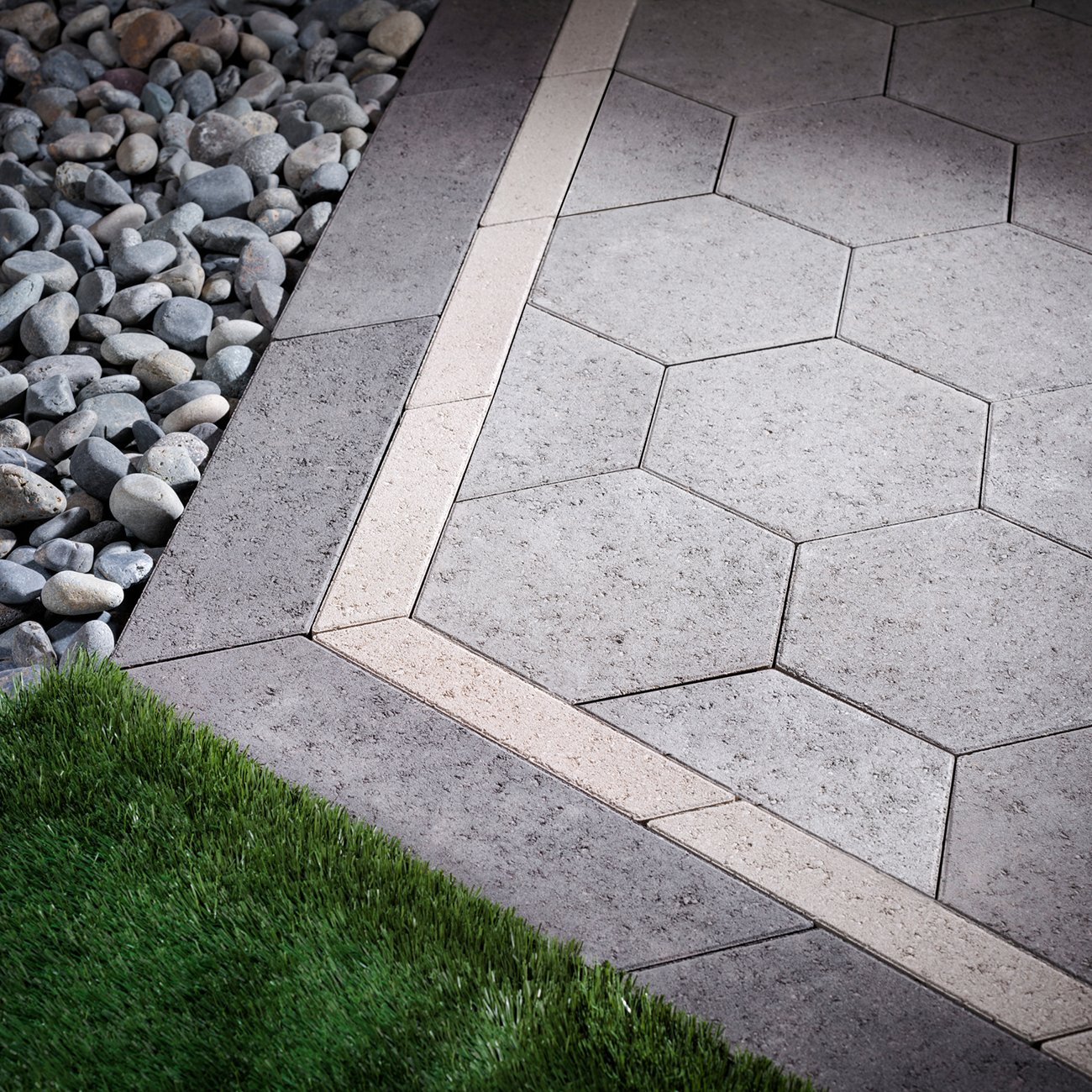
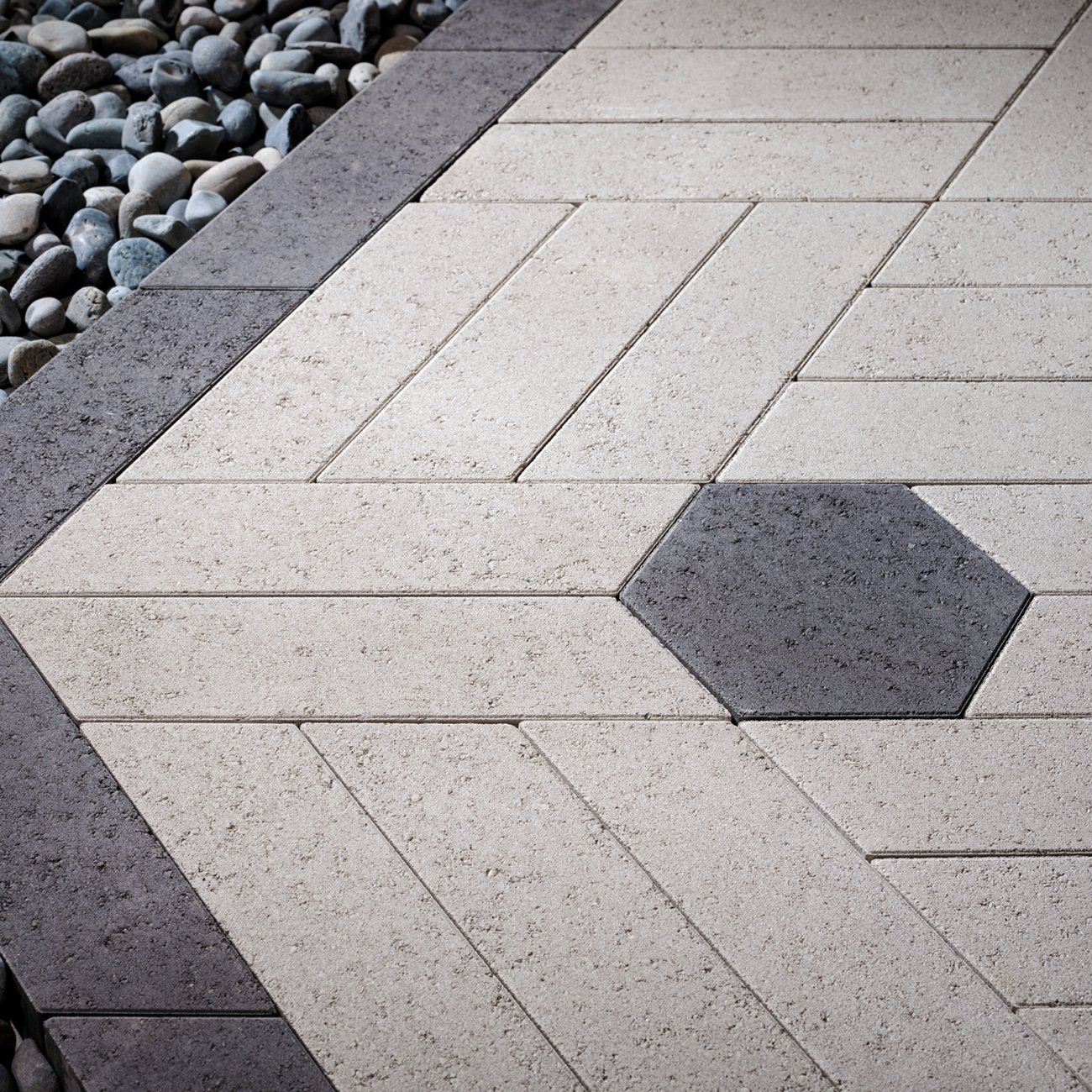
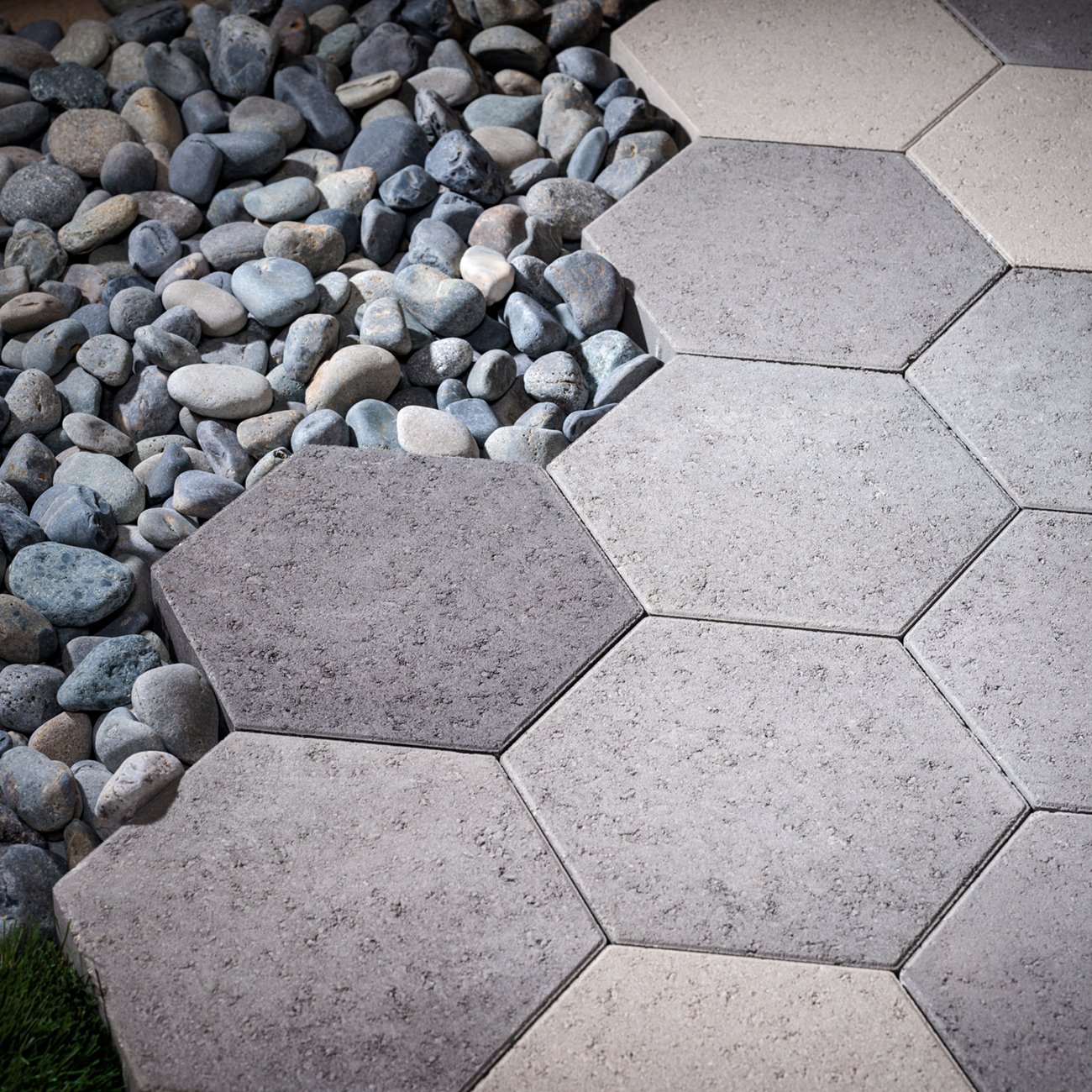
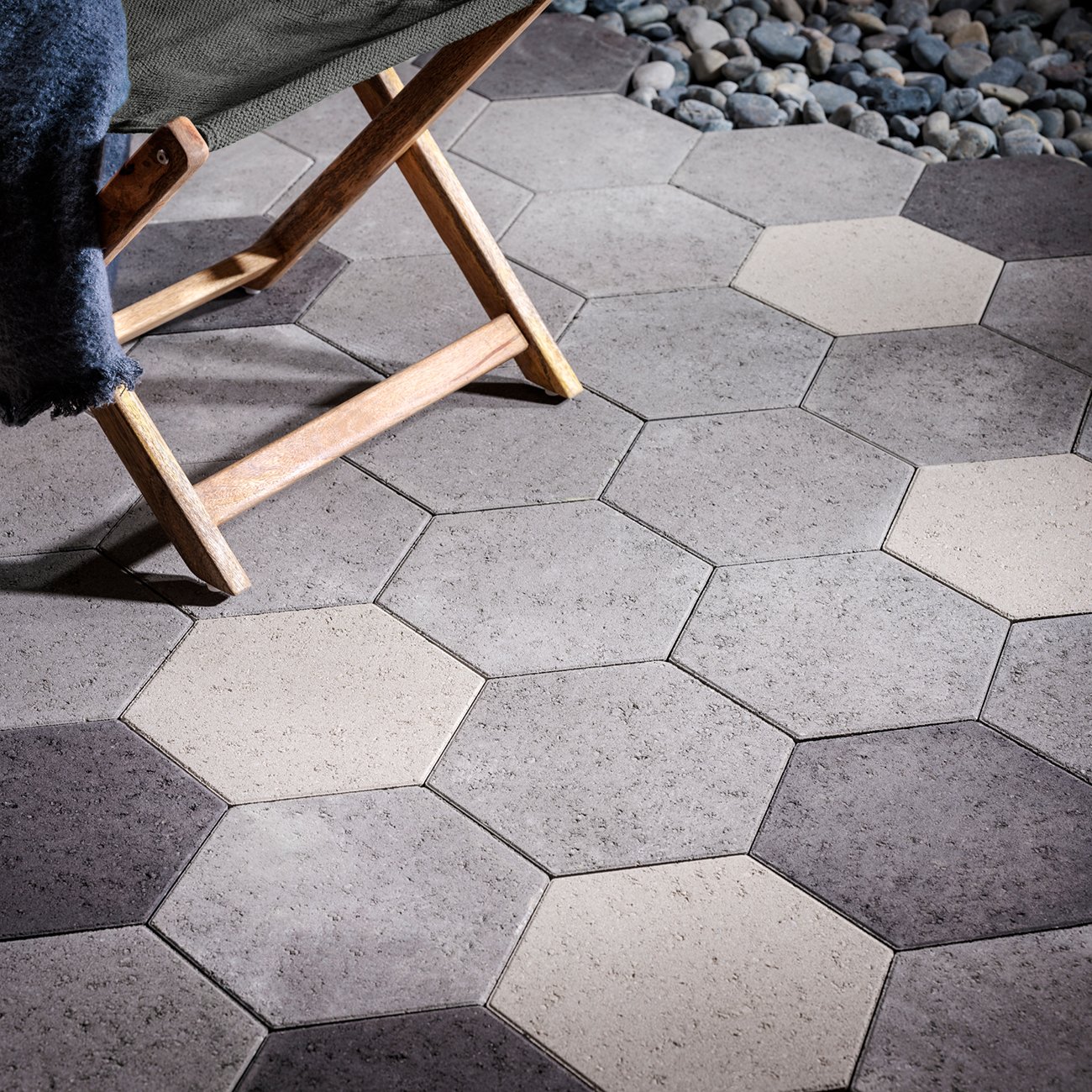
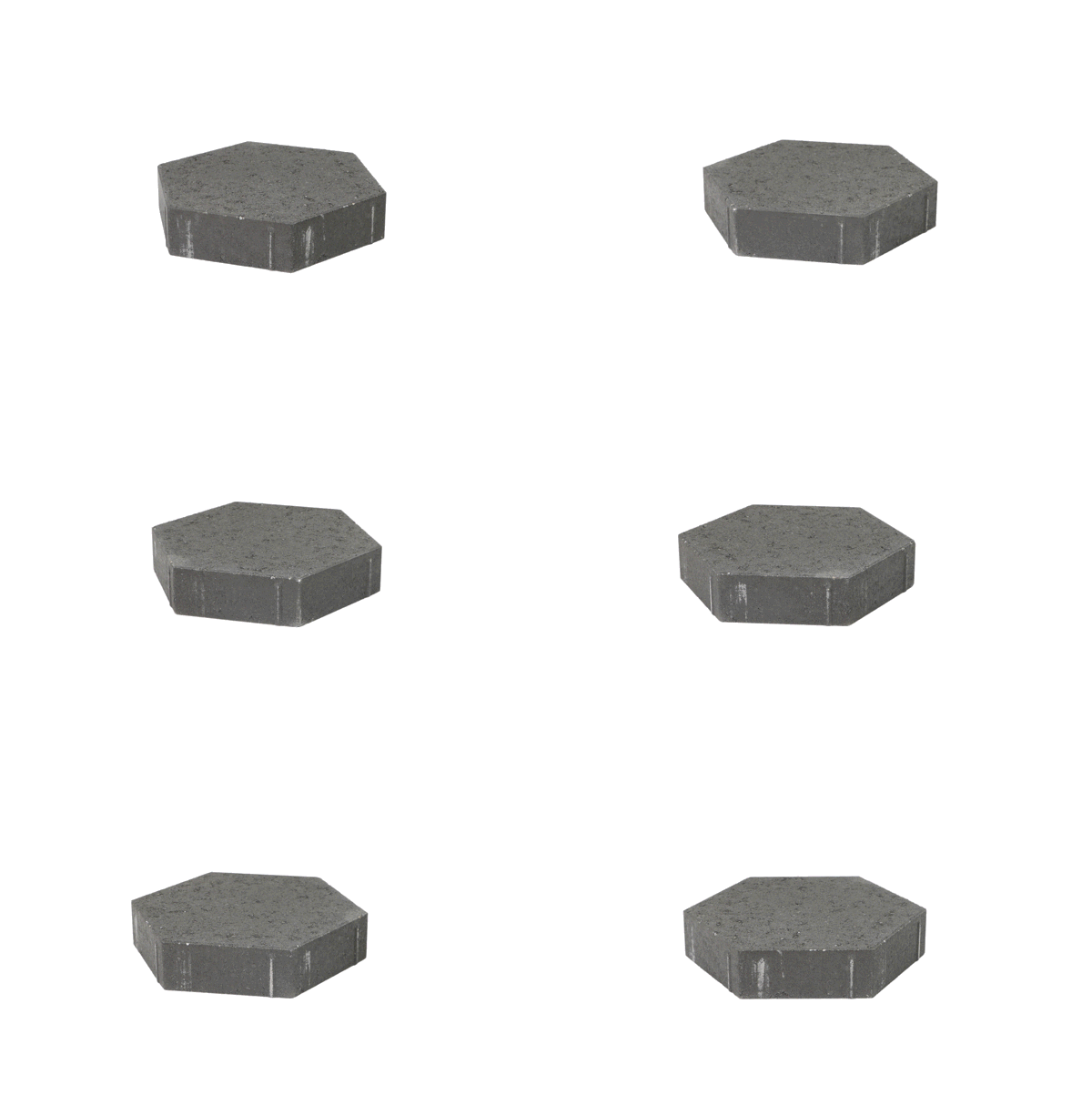
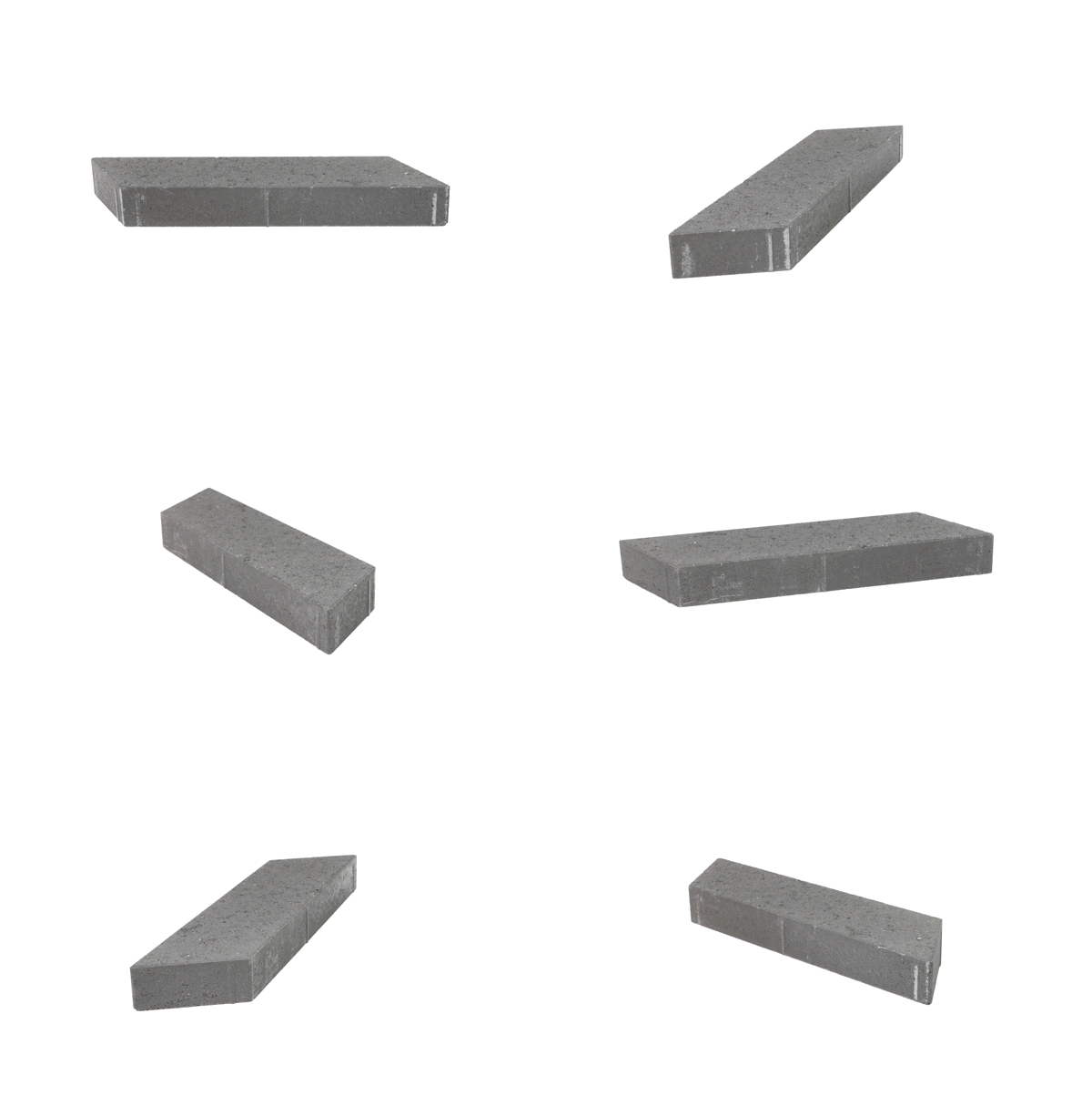
Designed in 3-inch increments, geometric shapes can be used alone or easily combined with Origins™ or Dimensions™ paver lines to add visually interesting borders, accents or inlays. Regionally available shapes include hexagons, diamonds and two different sizes of parallelograms.

Features & Benefits

  • Smooth face
  • Contemporary aesthetic
  • All shapes sized to work together. Also compatible with Origins™ and Dimensions™ paver lines.
  • Reduced cuts, installation time and waste
  • Increased options for creative patterns

Colors :

Geometric Shapes

Designed in 3-inch increments, geometric shapes can be used alone or easily combined with Origins™ or Dimensions™ paver lines to add visually interesting borders, accents or inlays. Regionally available shapes include hexagons, diamonds and two different sizes of parallelograms.

Features & Benefits

  • Smooth face
  • Contemporary aesthetic
  • All shapes sized to work together. Also compatible with Origins™ and Dimensions™ paver lines.
  • Reduced cuts, installation time and waste
  • Increased options for creative patterns

Colors :

$3.00 / sqft

0

Contractors & Installers

Call Us for Exclusive Wholesale Pricing!

Categories ,
Scroll to Top

Contractors & Installers

Call Us for Exclusive Wholesale Pricing!

Request Your Free Quote

Fill out the form and our team will contact you within 24 hours.

How to Measure for Pavers

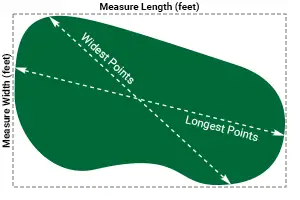
To measure the square footage needed for artificial turf, first treat the area as a square or rectangle. If the space has curves or angles, identify the widest and longest points, and adjust your measurements to ensure the entire area fits within a square or rectangle. Use the width and length of this square or rectangle to calculate the square footage of artificial turf required. Any excess turf around the edges of the desired shape will be trimmed during the installation process.

How to Measure for Artificial Turf

To measure the square footage needed for artificial turf, first treat the area as a square or rectangle. If the space has curves or angles, identify the widest and longest points, and adjust your measurements to ensure the entire area fits within a square or rectangle. Use the width and length of this square or rectangle to calculate the square footage of artificial turf required. Any excess turf around the edges of the desired shape will be trimmed during the installation process.
Get the Perfect Turf for Your Space

Contractors & Installers

Call Us for Exclusive Wholesale Pricing!

Request Your Free Quote

Fill out the form and our team will contact you within 24 hours.