


How to Keep Artificial Grass Cool in Summer: The 2026 Thermal Strategy Guide
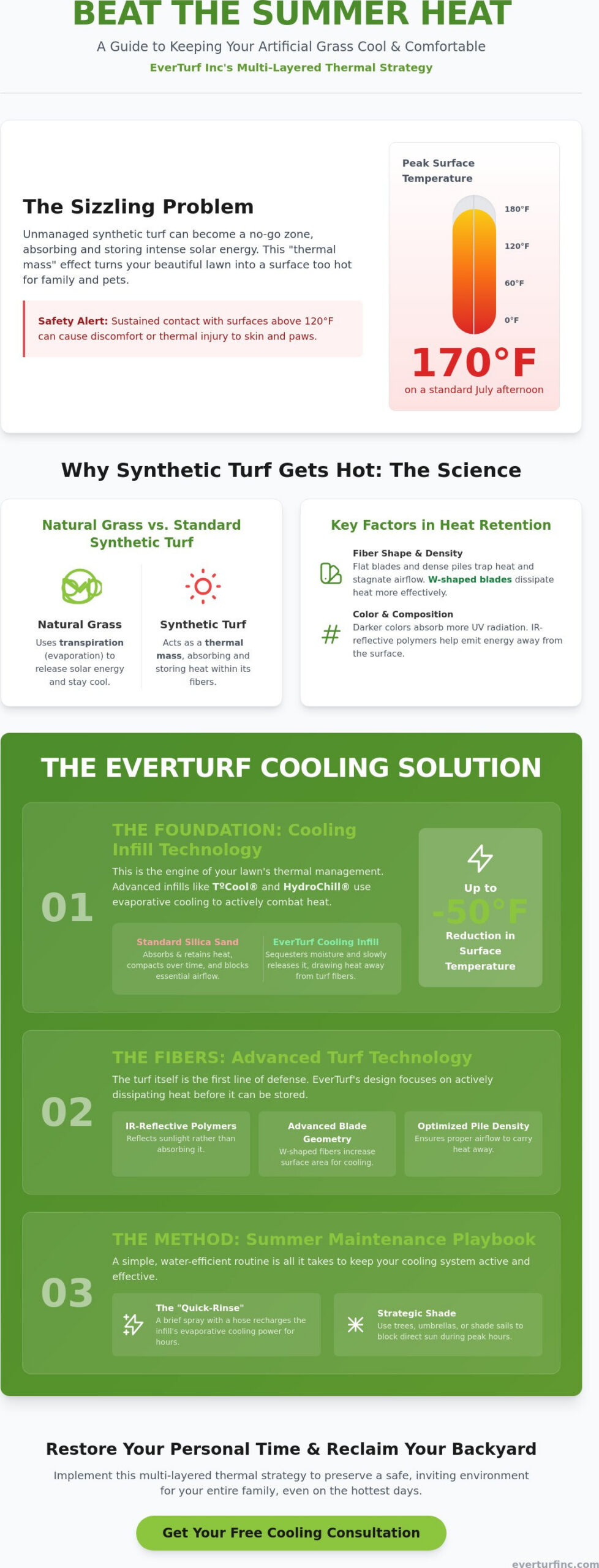
Did you know that unmanaged synthetic turf can reach surface temperatures of up to 170 degrees Fahrenheit during a standard July afternoon? It’s a frustrating reality that often turns a beautiful landscape investment into a forbidden zone for children and pets. If you’re wondering how to keep artificial grass cool in summer, you aren’t alone; many homeowners feel a sense of regret when their outdoor oasis becomes too hot to touch. You shouldn’t have to choose between a stunning lawn and a safe, usable backyard.
This guide provides a scientifically backed thermal strategy for temperature management using a professional, multi-layered approach. You’ll discover how advanced technologies like TºCool and HydroChill can reduce surface heat by up to 50 degrees, ensuring your property remains a tranquil retreat even in the most intense heat. We will walk you through the essential combination of IR-reflective polymers, specialized EverTurf Infill, and strategic environmental design to protect your lifestyle and your investment. By the end of this guide, you’ll have a clear roadmap to restoring your personal time and enjoying your property in total comfort.
Key Takeaways
- Learn the science of thermal mass and why high-performance EverTurf Infill acts as your primary defense against heat absorption.
- Master the professional “Quick-Rinse” method to discover exactly how to keep artificial grass cool in summer while maintaining water efficiency.
- Identify the most effective shade structures and landscape placements to block peak solar energy during the most demanding hours of the day.
- Evaluate advanced fiber geometries and UV-resistant polymers that actively dissipate heat to ensure long-term comfort and durability.
- Implement a multi-layered thermal strategy that restores your personal time and preserves a safe, inviting environment for your entire family.
The Science of Thermal Absorption: Why Synthetic Turf Gets Hot
Understanding the physics of solar gain is the first step in mastering your outdoor environment. Every summer afternoon, the sun bombards your property with short-wave radiation. While natural grass uses transpiration to release this energy, synthetic materials act as a thermal mass. This means the fibers absorb and store heat rather than reflecting it. In high-exposure areas, Artificial turf surface temperatures can reach 150 to 170 degrees Fahrenheit, which is significantly higher than the ambient air temperature. This phenomenon is often intensified by the Heat Island Effect, where surrounding hardscapes like pavers, stone walls, and glass windows reflect additional energy back onto the lawn, creating a localized pocket of intense heat.
Safety is a primary concern for families, as the safe temperature threshold for human skin and sensitive pet paws is generally much lower than these peak readings. Sustained contact with surfaces above 120 degrees can cause discomfort or even thermal injury. Finding effective ways for how to keep artificial grass cool in summer isn’t just about comfort; it’s about protecting the “outdoor sanctuary” lifestyle you’ve invested in. By analyzing how UV radiation interacts with polymer structures, we can implement strategies that interrupt this cycle of absorption and retention.
UV Radiation and Fiber Composition
Most standard polyethylene fibers are designed for durability, but they often function as efficient thermal conductors. Darker shades, like deep emerald or forest green, possess a higher solar absorptance than lighter lime or olive tones. These darker pigments soak up a broader spectrum of UV light, leading to faster temperature spikes. Thermal emissivity is the measure of a surface’s ability to emit energy as thermal radiation compared to a perfect black body. High-quality EverTurf products utilize polymers with better emissivity ratings to help energy move off the blade rather than staying trapped within the plastic structure.
Pile Density and Airflow Stagnation
It’s a common misconception that a thicker, denser lawn is always superior. While high pile density creates a lush aesthetic, it can also lead to airflow stagnation at the base of the turf. When fibers are packed too tightly, they block the natural movement of air that would otherwise carry heat away. This creates stagnant air pockets between the blades that contribute to rising temperatures. Blade shape also plays a critical role in how to keep artificial grass cool in summer. For instance, W-shaped or ribbed blades provide more surface area for heat dissipation and create micro-shadows that cool the surrounding fibers, whereas flat or C-shaped blades may trap more heat in direct sunlight. Choosing a profile designed for heat dissipation ensures your backyard remains a usable space even during the peak of July.
Cooling Infills: The Foundation of Temperature Control
While the fiber design provides the aesthetic, the infill serves as the engine of your lawn’s thermal management. A prominent UNLV study on turf heat highlighted that without cooling interventions, synthetic surfaces can become too intense for mid-day use. Addressing this challenge requires moving beyond basic aesthetics toward a functional, multi-layered cooling strategy. Choosing the right material is the most effective way for how to keep artificial grass cool in summer, as it transforms the lawn from a heat-absorbing surface into an active cooling system.
How Evaporative Cooling Technology Works
Evaporative cooling functions much like the human body’s natural perspiration. Advanced cooling infills are engineered with a porous structure that sequesters moisture deep within the granules. As solar energy hits the turf, this stored moisture is slowly released into the atmosphere, drawing heat away from the synthetic fibers in the process. This phase change from liquid to vapor creates a significant temperature drop, often reducing surface heat by up to 50 degrees Fahrenheit. You can easily maintain this effect by recharging the infill granules through natural rainfall or a quick, periodic rinse with a garden hose.
EverTurf Infill vs. Traditional Alternatives
Standard silica sand has long been the industry baseline, but it often contributes to heat retention because the raw quartz crystals absorb and hold thermal energy. Silica also tends to compact over time, which restricts the vital airflow needed for heat dissipation. In contrast, EverTurf Infill utilizes non-compacting, rounded granules that preserve the structural integrity of your lawn while maximizing cooling performance. These premium granules don’t just sit at the base; they support the blades and provide the necessary weight to keep your lawn looking pristine and upright.
Pet owners find this technology particularly transformative. Beyond temperature regulation, these premium granules often incorporate antimicrobial properties to neutralize odors at the source. This dual-action approach ensures your backyard remains a fresh, comfortable sanctuary even during the hottest months. If you’re planning a new project, integrating a high-performance infill during the artificial grass installation phase is the single best decision for long-term satisfaction. This professional-grade foundation ensures your property stays beautiful and functional, regardless of the thermometer’s reading.
Structural Solutions: Shade, Airflow, and Landscape Design
Mastering your outdoor environment requires looking beyond the turf itself to the architecture of your entire property. While advanced materials provide the foundation, strategic landscape design serves as a powerful shield against solar radiation. By integrating structural solutions, you can significantly lower surface temperatures and reclaim your lawn during the most intense hours of the day. This environmental approach is a critical component of how to keep artificial grass cool in summer, transforming a hot backyard into a refreshing retreat through smart positioning and material selection.
Shade is your most effective ally. Permanent structures like pergolas offer a sophisticated, fixed solution that adds architectural value while providing reliable relief. Temporary options, such as high-quality shade sails, offer the flexibility to adapt to seasonal shifts. The objective is to interrupt the sun’s path during the peak thermal window, typically between 2 PM and 5 PM, when solar intensity is at its zenith. Even partial shade during these hours can prevent the “heat soak” effect that causes synthetic fibers to retain warmth long after the sun sets.
Strategic Shade Sail and Pergola Placement
Effective cooling starts with a precise calculation of sun angles. Positioning a shade sail to block the low, harsh afternoon sun ensures your lawn remains comfortable when you’re most likely to use it. Choose UV-rated fabrics with a high “breathability” factor; these materials allow hot air to rise and escape upward rather than trapping it against the ground. When you integrate these structures with professional backyard turf, you create a cohesive design that balances aesthetic beauty with practical thermal management. This foresight prevents your investment from becoming a “no-go zone” during the height of July.
Maximizing Natural Ventilation
Air movement is a natural coolant that many homeowners overlook. Solid privacy walls and dense, non-permeable fencing can inadvertently create “heat traps” by blocking cross-breezes and causing air to stagnate over the lawn. To counter this, consider wind-permeable fencing or decorative lattice that encourages a “wind tunnel” effect, pulling cooler air across the surface. This constant exchange of air helps dissipate heat from the blades and the sub-base more efficiently.
Nature also provides its own cooling system through transpiration. Incorporating living plants, shrubs, or trees around the perimeter of your synthetic lawn introduces moisture into the micro-climate. As these plants “breathe,” they release water vapor that cools the surrounding air, creating a noticeable temperature drop for nearby surfaces. This synergy between living greenery and synthetic excellence is a sophisticated way for how to keep artificial grass cool in summer, ensuring your outdoor sanctuary remains a tranquil, year-round reality.
The Summer Maintenance Playbook: Keeping Turf Cool Daily
Daily maintenance for your synthetic lawn is remarkably simple, yet during peak summer months, a few strategic habits can drastically enhance your comfort. While the structural and material foundations we’ve discussed do the heavy lifting, active management allows you to fine-tune the temperature of your property. Learning how to keep artificial grass cool in summer doesn’t require hours of labor; it’s about understanding the timing and tools that maximize your lawn’s performance. By implementing a few professional techniques, you can ensure your backyard remains an inviting sanctuary even when the local weather forecast hits triple digits.
One common concern is the “Magni-fire effect” caused by energy-efficient Low-E windows. These windows can reflect concentrated sunlight onto specific “hot spots” on your turf, raising temperatures far beyond normal solar absorption. Identifying these areas early allows you to place a temporary shade or adjust your rinse schedule to prevent localized fiber stress. Managing high-traffic areas during extreme heat alerts is also vital. When the surface is at its peak temperature, the polymers are more pliable, so shifting heavy activity to the cooler morning or evening hours helps preserve the upright “memory” of the blades for years to come.
The Science of the Quick-Rinse
The most effective daily tool is the “Quick-Rinse” method. A brief two-minute misting is far more effective than a long, deep soak. This light application of water “charges” the evaporative cooling infill we detailed earlier, providing immediate relief through phase-change cooling. It’s a common myth that this process wastes more water than a natural lawn. In reality, a quick cooling rinse uses a fraction of the thousands of gallons required to keep natural sod alive in July. To avoid mineral buildup or hard water stains, ensure your turf has proper drainage and avoid over-misting in high-humidity conditions, which can lead to a temporary “steaming” effect rather than cooling.
Special Considerations for Pet Owners
Your pets rely on you to monitor surface safety. Before letting your dog out, utilize the “7-Second Rule”: place the back of your hand on the turf for seven seconds. If it feels uncomfortably warm for you, it’s too hot for their sensitive paws. When you choose specialized artificial grass for dogs, you’re investing in a system designed for rapid drainage and cooling. This is critical because high surface heat can actually activate odors in pet waste. Keeping the turf cool doesn’t just protect their paws; it keeps your entire environment smelling fresh and clean. If you’re ready to upgrade your property with a heat-managed solution, explore our professional artificial grass installation services today.
Choosing Heat-Resistant Turf: The EverTurf Visionary Choice
Achieving a perfect outdoor micro-climate requires more than just reactive cooling; it starts with the fundamental material science of your lawn. While daily rinsing and strategic shade provide immediate relief, the long-term answer for how to keep artificial grass cool in summer lies in the DNA of the fibers themselves. Selecting a heat-resistant turf is the most critical decision for homeowners seeking a permanent solution to summer discomfort. A premium investment in high-performance artificial grass pays dividends in thermal comfort, ensuring your property remains an everlasting oasis rather than a seasonal heat trap. By choosing materials engineered for the extremes, you’re not just buying a product; you’re securing a lifestyle that isn’t dictated by the thermometer.
Modern innovation has transformed synthetic turf from a simple aesthetic alternative into a sophisticated thermal regulator. This evolution is particularly important for our national customers living in high-heat environments, where traditional landscaping often fails to thrive. Our approach combines advanced polymer chemistry with structural integrity, providing a solution that stands up to the most punishing solar exposure. When you build your landscape on a foundation of quality, the frustrations of burning surfaces and unusable backyards become a thing of the past.
Advanced Fiber Shapes and Technology
In 2026, cooling technology has moved beyond simple blade geometry. Modern “Cool Blue” and heat-reflective pigments are now integrated directly into the polymer matrix during manufacturing. These pigments are designed to reflect infrared light, which is the primary driver of solar heat gain. Standard flat blades act like miniature solar panels, but specialized cooling profiles utilize microscopic ridges to create self-shading effects. This innovation works in tandem with high-grade UV stabilizers. These inhibitors prevent the polymer from breaking down under intense radiation, protecting the lawn from becoming brittle and losing its ability to dissipate heat over time. This ensures your lawn stays soft, resilient, and cool for the long haul.
The EverTurf Advantage
The true EverTurf advantage comes from the synergy between our advanced grass fibers and our proprietary EverTurf Infill. When these components work together, they create a comprehensive cooling system that restores your personal time and peace of mind. Consulting with a visionary expert allows you to design a landscape tailored to your specific climate and property layout. We help you identify the best fiber profiles and infill depths to maximize the cooling strategies we’ve discussed throughout this guide. If you’re ready to transform your property into a stress-free sanctuary, contact us for a cooling-focused landscape consultation. Let’s work together to create a more beautiful, comfortable version of your home that stays inviting all year long.
Reclaim Your Summer Sanctuary
You’ve explored the sophisticated material science and strategic maintenance required to master your outdoor micro-climate. By combining specialized EverTurf Infill for maximum evaporative cooling with high-performance UV-inhibited fibers, you create an environment that resists the most intense solar gain. This multi-layered strategy is the definitive answer for how to keep artificial grass cool in summer, transforming a hot backyard into a tranquil retreat. You don’t have to settle for a property that’s off-limits during the peak of the day.
We support homeowners nationwide with the distribution of heat-resistant turf systems designed for long-term satisfaction and thermal safety. You can finally enjoy the relief of a beautiful, low-maintenance lawn that remains comfortable for kids and pets even in July. It’s time to move away from the frustration of burning surfaces and toward the tranquility of an everlasting, year-round oasis. Upgrade to a cooler, smarter landscape with EverTurf Inc. and start envisioning a more stress-free version of your property today. Your perfect outdoor sanctuary is within reach.
Frequently Asked Questions
Does artificial grass get too hot for dogs in the summer?
Unmanaged synthetic turf can reach temperatures that are uncomfortable for sensitive paws in direct sunlight. While it doesn’t burn on contact like asphalt, you should use cooling technologies to ensure pet safety. Utilizing a system with EverTurf Infill keeps the surface at a manageable temperature for your companions, ensuring your backyard remains a year-round sanctuary for the whole family.
How much does cooling infill actually lower the temperature?
High-performance cooling infills can reduce surface temperatures by up to 50 degrees Fahrenheit compared to standard silica sand. This drop occurs through evaporative cooling, where moisture stored in the granules is released as the sun warms the lawn. It’s the most effective single step for anyone researching how to keep artificial grass cool in summer, offering long-term thermal relief with minimal daily effort.
Can I use a misting system on my artificial turf?
You can certainly use a misting system, but it’s important to monitor for hard water buildup and proper drainage. While a light mist provides temporary relief, it doesn’t replace the long-term effectiveness of a “charged” cooling infill. Ensure your system doesn’t create standing water, as mineral deposits can eventually stain the fibers and affect the aesthetic of your pristine landscape.
Will watering my fake grass cause mold or mildew?
Watering your lawn won’t cause mold or mildew as long as you have a professionally installed, permeable sub-base. The drainage system is designed to move moisture away from the surface quickly, preventing the stagnation that fungi require to grow. Choosing high-quality materials with antimicrobial properties adds an extra layer of protection, keeping your outdoor environment fresh and healthy for years.
What color of artificial grass stays the coolest?
Lighter shades of green, such as lime or olive, typically stay cooler than deep emerald or forest tones. These lighter pigments reflect more solar energy and absorb less UV radiation, resulting in lower thermal retention throughout the day. When you’re deciding how to keep artificial grass cool in summer, selecting a lighter color profile is a smart, proactive choice that enhances your comfort.
How do I stop window reflections from melting my turf?
You can prevent turf melting by applying anti-reflective window film to your home’s exterior or by placing strategic shade structures. Highly reflective Low-E windows can act like a magnifying glass, concentrating heat on specific spots and risking damage. Installing a simple screen or an awning over the affected area effectively breaks the line of solar intensity, protecting your investment from localized heat stress.
Is there a specific type of turf that is “heat-proof”?
No synthetic material is entirely heat-proof, but premium options with IR-reflective polymers and specialized blade shapes are the closest equivalent. These “heat-resistant” varieties are engineered to dissipate thermal energy much faster than standard products. Combining these advanced fibers with the right infill creates the most comfortable environment possible, even in the most demanding high-heat climates across the country.
How often should I rinse my turf during a heatwave?
During a severe heatwave, a quick two-minute rinse just before you plan to use the lawn is ideal. This brief application of water activates the evaporative cooling process and provides immediate temperature relief for several hours. You don’t need to water the grass all day; a single, targeted rinse is enough to “recharge” the system and restore your backyard’s tranquility.