

Water Conservation Rebates for Synthetic Lawns: The 2026 Homeowner’s Guide
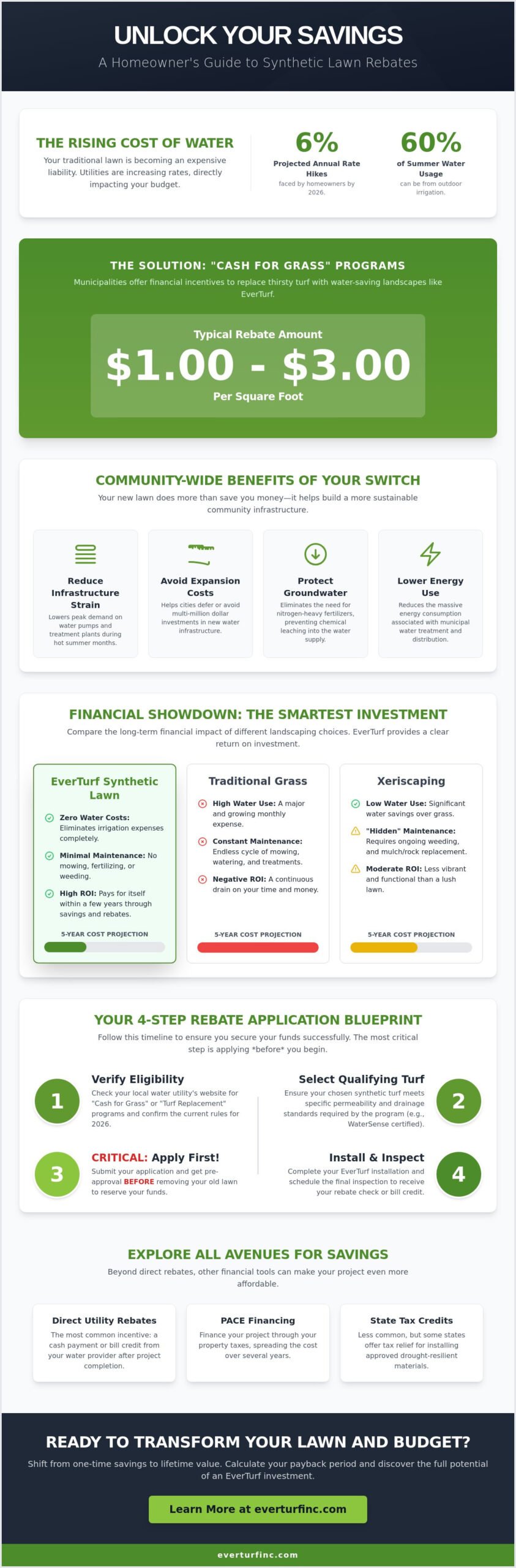
What if your monthly water bill wasn’t a mandatory tax on your leisure time, but a fund you could reclaim for your home’s future? By 2026, many homeowners are projected to face utility rate hikes of up to 6 percent annually, making the dream of a lush, emerald yard feel like an expensive burden. You already know that traditional grass is a demanding tenant that consumes your weekends and your budget. This guide simplifies the hunt for water conservation rebates for synthetic lawns, helping you turn a high-performance landscape into a savvy financial move.
We’ll clarify the often-contradictory eligibility rules for local incentives and provide a clear ROI framework for your EverTurf project. You will discover how to secure your rebate or use a calculated water-savings plan to ensure your pristine, evergreen sanctuary pays for itself within a few short years. From understanding UV-stabilized specifications to mastering the application process, we’re here to help you reclaim your time and your peace of mind.
Key Takeaways
- Secure your financial advantage by learning how to navigate the latest municipal “Cash for Grass” programs and water conservation rebates for synthetic lawns.
- Identify the specific permeability and drainage requirements your project must meet to qualify for 2026 utility-led incentives.
- Uncover the “hidden” maintenance costs of traditional xeriscaping to see how a vibrant EverTurf lawn offers a more efficient return on your investment.
- Master the critical step-by-step application timeline to ensure your funds are reserved before you begin your landscape transformation.
- Shift your perspective from one-time savings to lifetime value by calculating the rapid payback period of a permanent, water-saving outdoor space.
What Are Water Conservation Rebates and How Do They Work?
Imagine a lawn that stays vibrant through the peak of a Florida summer without a single drop of irrigation. In 2026, water conservation rebates for synthetic lawns have become essential tools for homeowners looking to marry aesthetic beauty with environmental responsibility. These municipal and utility-led incentives are designed to lower per-capita water consumption by encouraging the removal of high-maintenance, thirsty sod. As drought conditions become more frequent, utilities are shifting their focus toward “Cash for Grass” programs, particularly in regions where outdoor watering accounts for up to 60 percent of total household usage during the summer months.
Utilities prioritize these programs because they reduce peak demand. When thousands of homeowners stop watering their lawns simultaneously during the hottest weeks of the year, the strain on local pumping stations and treatment plants drops significantly. This allows cities to avoid the multi-million dollar costs of expanding infrastructure. When you explore a comprehensive overview of synthetic turf, you’ll see how today’s advanced materials are engineered to support these conservation goals while providing a lush, evergreen sanctuary for your family. Most rebates are structured as per-square-foot payments, often ranging from $1.00 to $3.00, though some providers offer flat-rate credits for smaller residential projects.
The Purpose of Turf Replacement Incentives
Replacing traditional grass with synthetic alternatives offers benefits that extend far beyond your property line. It eliminates the need for nitrogen-heavy fertilizers, which prevents chemical leaching into local groundwater and protects Florida’s delicate springs. By reducing the volume of water moving through the system, utilities lower the massive energy costs associated with municipal water treatment and distribution. A Water Conservation Rebate is a financial tool for sustainable urban planning that incentivizes permanent, drought-resilient landscaping. This transition allows you to reclaim your weekends from the endless cycle of mowing and watering while contributing to a healthier, more stable local ecosystem.
Common Types of Water-Saving Programs
Understanding the specific mechanism of your local incentive helps you maximize your return on investment. You’ll generally find three primary avenues for financial support:
- Direct Utility Rebates: These are straightforward cash payments or bill credits issued by your water provider after a successful installation and inspection.
- PACE Financing: Property Assessed Clean Energy programs allow you to finance water-efficiency upgrades through your property taxes, which spreads the cost over several years.
- Income Tax Credits: While less common, certain state-level incentives provide tax relief for homeowners who install drought-resilient materials that meet specific eco-friendly and drainage standards.
By leveraging water conservation rebates for synthetic lawns, you’re not just saving money; you’re investing in a sophisticated, permanent solution that enhances your lifestyle and protects our natural resources for the next generation.
Does Your Synthetic Lawn Qualify for a Rebate in 2026?
The conversation around water conservation rebates for synthetic lawns has shifted significantly in 2026. While early conservation programs focused strictly on organic xeriscaping, modern policies now weigh the total environmental impact of your property. You’ll find that some municipalities still debate the “organic versus synthetic” approach, but the data is hard to ignore. High-quality turf eliminates the need for thousands of gallons of water annually. This zero-water footprint makes it a compelling candidate for local incentives.
Success depends on your project’s ability to meet strict permeability requirements. Modern turf drainage systems must allow water to return to the local aquifer rather than contributing to urban runoff. For instance, Southern Nevada’s Water Smart Landscapes Rebate provides a successful model for how regions can integrate synthetic options into a sustainable plan. You should always verify your local municipal codes before you sign a contract. Some programs exclude residential turf while offering generous grants for commercial or athletic projects because of their larger scale and higher water consumption rates.
Navigating Local Eligibility Hurdles
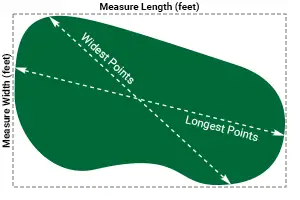
Most rebate programs in 2026 require products to meet “California Friendly” or specific “WaterSense” standards for drainage and heat retention. To secure your approval, you’ll need to provide precise documentation during the application process. Most water authorities demand “before” photos of your existing thirsty grass and verified square footage measurements from a professional installer. If you’re looking to upgrade your lifestyle and save money, exploring high-performance turf options is the first step toward a worry-free outdoor space.
Advocating for your project involves highlighting the superior drainage of modern products, which is especially critical in regions prone to heavy rainfall. You aren’t just replacing grass; you’re installing a sophisticated filtration system. Ensure your contractor provides a technical spec sheet that proves your chosen product exceeds local runoff standards.
The Rise of Hybrid Landscape Rebates
The most popular programs in 2026 are hybrid landscape rebates. These incentives reward homeowners who combine synthetic turf with “islands” of native, drought-tolerant plants. This approach addresses biodiversity concerns while giving you the pristine, evergreen look you desire. You can maximize your total incentive by pairing your turf with drip-irrigated garden beds. Eligibility often hinges on the specific permeability rating of the turf backing. Check these details early to ensure your project qualifies for the maximum payout:
- Native Integration: Dedicate at least 25% of the converted area to living plants.
- Permeability Specs: Ensure the backing allows at least 30 inches of water per hour to pass through.
- Irrigation Cap: Verify that all remaining spray heads are capped or converted to low-flow emitters.
Synthetic Turf vs. Rebated Xeriscaping: A Financial Comparison
Choosing between a xeriscape and a premium synthetic lawn often feels like a balance between two sustainable paths. While both options qualify for water conservation rebates for synthetic lawns and native plantings, the financial trajectory of each landscape diverges quickly after installation. A rebate-approved xeriscape requires a specific mix of gravel, mulch, and drought-tolerant plants. While the initial investment might seem lower, the biological demands of living plants introduce recurring costs that many homeowners overlook during the planning phase.
The True Cost of Living Landscapes
Living landscapes are never truly finished; they are in a constant state of growth and decay. Professional weeding services for a standard residential lot can cost between $500 and $1,200 annually, depending on the density of the planting beds. You must also factor in the seasonal replacement of organic mulch. Industry data suggests that wood mulch loses its moisture-retention properties and aesthetic color within six months, requiring a fresh layer to protect plant roots from the intense Florida heat. Beyond the labor, there is the risk of plant failure. A 2025 report on urban heat islands found that even native species face a 15% mortality rate during record-breaking summer heat waves, leading to unexpected replanting expenses that rebates don’t cover.
EverTurf: The Zero-Water Alternative
EverTurf provides a permanent escape from the cycle of maintenance and replacement. By choosing a synthetic solution, you eliminate the need for complex irrigation systems, zone timers, and the inevitable repairs of broken sprinkler heads. This isn’t just about saving water; it’s about reclaiming your time and ensuring your property maintains a pristine, high-end appearance regardless of local water restrictions. Our installations offer a water conservation rebates for synthetic lawns advantage by removing the “supplemental watering” loophole that native plants often require to stay vibrant during dry spells.
- Zero Irrigation: Stop paying for the electricity and water needed to power a subterranean sprinkler network.
- Antimicrobial and UV-Stabilized: Our turf resists the fading and bacteria growth that can plague natural groundcovers.
- Aesthetic Permanence: You can see the visual difference in The Ultimate Guide to Artificial Grass, which highlights how our products maintain a lush, deep green hue for decades.
EverTurf acts as a Reliable Visionary for your home, providing a sophisticated outdoor space that doesn’t demand your weekends. While a xeriscape might eventually look sparse or overgrown without constant intervention, our synthetic grass remains evergreen. It offers a predictable, long-term return on investment that transforms your yard into a stress-free sanctuary.
How to Navigate the Rebate Application Process
Securing water conservation rebates for synthetic lawns transforms a smart home upgrade into a strategic financial victory. The journey toward an evergreen, maintenance free landscape requires a specific sequence of actions to ensure your local utility honors your claim. Follow this structured roadmap to capture every available dollar while creating your personal outdoor sanctuary.
- Step 1: Reserve Your Funding. You must submit your application while your thirsty, natural grass is still in the ground. Most municipal programs in 2026 automatically disqualify any project that begins demolition before a formal pre-approval is issued.
- Step 2: Technical Submission. Provide your water district with a detailed site plan. This includes specific EverTurf product data sheets that highlight the eco friendly nature of our antimicrobial and UV stabilized fibers.
- Step 3: Precision Installation. Your project must adhere to strict municipal drainage standards. Professional installation ensures your lush new lawn manages heavy rainfall efficiently, which is a critical requirement for Florida homeowners.
- Step 4: The Final Inspection. Once the last blade of grass is set, a utility representative typically visits to verify the square footage and permeability. They want to see that your vibrant new space functions as promised.
- Step 5: Rebate Disbursement. After final approval, homeowners generally receive their checks within 30 to 60 days. This final step marks the moment you officially reclaim your weekends and your budget.
Preparing Your Documentation
Success lies in the details of your paperwork. Capture high resolution “Before” photos from at least four different angles to prove the existence of living turf. You’ll also need your detailed artificial turf installation cost invoice to verify the project’s scale and investment level. EverTurf provides a specialized “Certificate of Permeability” with every installation, giving your utility the technical proof they need regarding superior drainage rates.
Avoiding Common Application Pitfalls
The most frequent reason for denial is starting work before receiving a formal “Notice to Proceed.” Always check your specific zip code for any “No Artificial Turf” clauses that might exist in older homeowner association bylaws or specific micro districts. Homeowners should verify the 2026 funding levels for their specific water district before signing any contracts, as municipal budgets can shift quarterly. Missing a single signature on a drainage affidavit can delay your payment by months. Don’t let technicalities stand between you and a pristine, water saving lawn.
Beyond the Rebate: The ROI of an EverTurf Investment
While water conservation rebates for synthetic lawns offer a fantastic initial incentive, the real value lies in the years of financial relief that follow. Think of the rebate as a launching pad for a much larger trajectory of savings. You aren’t just changing your grass; you’re fundamentally restructuring your home’s operating costs. The immediate reduction in your monthly utility bill is only the first chapter of a much more profitable story.
Calculating your “Payback Period” involves more than just looking at the water meter. National water rates have increased steadily by roughly 5% annually over the last decade. By 2026, homeowners who switch to synthetic solutions often see a full return on their investment within three to five years. This timeline accounts for the total elimination of irrigation costs, expensive seasonal fertilizers, and the recurring fees for professional mowing crews. When you stop pouring money into a thirsty lawn, those funds stay in your pocket or go toward your mortgage.
Property value also sees a measurable boost. A 2024 study by the National Association of Realtors indicated that high-quality landscaping can provide a return of up to 100% or more at the time of sale. In a market where buyers are increasingly wary of high-maintenance properties and rising utility costs, a “permanently green” yard is a premium asset. It ensures your curb appeal remains flawless during droughts or heavy rain, protecting your home’s first impression 365 days a year.
The Math of a Maintenance-Free Lawn
Natural sod is a depreciating asset that often requires replacement every five to seven years due to pests, heat stress, or fungal disease. In contrast, EverTurf products are engineered for a 15 to 20 year lifespan. This durability breaks the cycle of constant lawn repair. You can explore the full lifestyle benefits in our Backyard Turf guide, which details how shifting from labor to leisure transforms your home life. Your lawn becomes a source of pride rather than a weekend chore list.
EverTurf: Your Partner in Water-Wise Luxury
We provide the gold standard for 2026 with our UV-stabilized and antimicrobial products. These technical specifications mean your lawn won’t fade under the harsh sun or trap odors, making it the ideal choice for families and pet owners. You deserve the peace of mind that comes from a landscape that stays vibrant regardless of local water restrictions. It’s time to stop worrying about brown patches and start enjoying a stress-free, evergreen outdoor space. Let’s build a landscape that works for you, not the other way around.
Transform Your Landscape Into a Permanent Asset
Securing water conservation rebates for synthetic lawns in 2026 represents a strategic opportunity to upgrade your property value while slashing monthly overhead. By navigating the application process early, you ensure your project meets specific municipal standards for drainage and material quality. EverTurf products are engineered to simplify this transition; our turf backings exceed standard permeability requirements to handle intense rainfall without pooling. Because our materials are UV-stabilized for a 15+ year lifespan, your investment remains vibrant and lush through a decade and a half of relentless sun exposure.
Choosing a synthetic solution means you finally eliminate your water bill and reclaim your weekends from the endless cycle of mowing and fertilizing. You’re not just installing grass; you’re adopting a lifestyle of tranquility and effortless beauty. With the financial cushion provided by 2026 rebate programs, there’s never been a more logical time to move away from high-maintenance sod. Invest in a permanent, water-saving landscape with EverTurf today. Your pristine, evergreen sanctuary is ready and waiting.
Frequently Asked Questions
Why do some water districts exclude artificial grass from their rebate programs?
Some water districts exclude synthetic turf because they prioritize living landscapes that mitigate the urban heat island effect. For instance, certain California municipalities updated their codes in 2024 to require 50 percent living plant cover alongside any synthetic surfaces. These agencies often favor xeriscaping with drought-tolerant plants to maintain local biodiversity while still reducing total water consumption.
How much water can I actually save by switching to synthetic turf?
You can reduce your household water consumption by approximately 30 to 60 percent by eliminating traditional lawn irrigation. The Environmental Protection Agency reports that the average American family uses 320 gallons of water per day, with nearly 96 gallons dedicated to outdoor use. Switching to a pristine, evergreen surface allows you to reclaim these thousands of gallons annually while maintaining a lush aesthetic without the heavy utility costs.
Are there federal tax incentives for installing a water-saving synthetic lawn?
Currently, no federal tax credits exist specifically for residential synthetic turf installations under the 2022 Inflation Reduction Act. Most financial incentives are managed at the local or municipal level through water conservation rebates for synthetic lawns. You should check with your specific county or city utility department, as programs like the SoCal WaterSmart initiative offer direct rebates rather than federal tax deductions.
What is the “Permeability Requirement” for turf rebates?
The permeability requirement mandates that your synthetic turf must allow water to drain into the soil at a specific rate, often at least 25 inches per hour. This standard ensures that heavy rainfall doesn’t create runoff or overwhelm local storm drains. High-quality products feature a perforated or woven backing that facilitates superior drainage, keeping your outdoor space dry and functional even after a Florida downpour.
How long does it typically take to receive a water conservation rebate check?
Homeowners typically receive their rebate checks within 8 to 12 weeks after the final inspection and approval of the installation. Programs like the Metropolitan Water District of Southern California require you to submit your application before starting the project to secure your funding. Once you submit your final receipts and photos, the processing period begins, eventually delivering the financial reward for your eco-friendly investment.
Can I get a rebate for my backyard turf, or is it only for front yards?
Most municipal programs prioritize front yard conversions because they are highly visible and contribute more to community-wide water reduction goals. For example, the City of Sacramento’s River Friendly Landscape program specifically targets areas visible from the street. However, 25 percent of regional programs now extend incentives to backyards if the total irrigated area is significantly reduced, so verifying your specific district’s 2026 guidelines is essential.
What happens to my rebate eligibility if I install the turf myself?
Your eligibility may be forfeited if you choose a DIY installation, as many districts require work to be performed by a licensed contractor. Agencies implement these rules to ensure the ground preparation and drainage systems meet local environmental standards. Using a professional team ensures your vibrant new lawn is installed correctly, protecting your investment and guaranteeing you meet the technical criteria for water conservation rebates for synthetic lawns.
Are there specific turf products that are more likely to qualify for incentives?
Products that are lead-free and feature a high drainage capacity are most likely to qualify for local incentive programs. Many districts require a minimum pile height of 1.5 inches and a specific face weight to ensure the turf looks natural and remains durable. Selecting a UV-stabilized, antimicrobial product from a reputable provider ensures your lawn stays lush and safe while meeting the rigorous 2026 environmental standards.